3d View: A Strategic Asset for Modern Design Workflows
In the contemporary landscape of digital creation and brand development, the distinction between a concept and its final execution often lies in the quality of the foundational assets. The 3d View logo template represents more than just a visual element; it is a structural component designed to streamline the transition from ideation to production. For professionals ranging from freelance graphic designers to small business owners, the ability to rapidly deploy high-quality, scalable graphics is not merely a convenience—it is a critical operational efficiency. This analysis explores how this specific design asset integrates into broader creative workflows, emphasizing its versatility, technical robustness, and strategic value across multiple industries.
The Role of Scalable Vector Graphics in Professional Design
At the core of the 3d View template is its foundation as a set of SVG (Scalable Vector Graphics) files. Understanding the implications of vector-based design is essential for any workflow that demands consistency across media. Unlike raster images, which are composed of pixels and lose resolution when scaled up, vector graphics utilize mathematical equations to define shapes. This means that whether the logo is displayed on a mobile app icon or printed on a large-format billboard, the edges remain crisp and the quality remains uncompromised.
For entrepreneurs and marketers, this scalability eliminates the need for multiple versions of a single asset. In a typical project lifecycle, a brand identity must adapt to various contexts: social media avatars, email signatures, merchandise packaging, and corporate stationery. By starting with an SVG source file like the 3d View template, designers can generate these variations instantly without degrading image quality. This reduces the time spent on asset management and ensures brand consistency—a key factor in building trust with audiences aged 20–50 who are increasingly discerning about digital aesthetics.
Technical Compatibility and Tool Integration
A common bottleneck in creative processes is software incompatibility. Teams often face friction when moving files between different platforms or when collaborating with external vendors. The 3d View template addresses this by being compatible with a wide array of industry-standard tools. Its inclusion of files compatible with Inkscape, Gravit Designer, Adobe Photoshop, Adobe Illustrator, Sketch, Vectr, Inkpad iDesign, and others ensures that it fits seamlessly into existing ecosystems.
This broad compatibility allows for flexible implementation strategies:
- Adobe Ecosystem Users: Designers using Illustrator or Photoshop can leverage native features such as layers, masks, and advanced color grading to customize the 3d View logo further, ensuring it aligns perfectly with specific brand guidelines.
- Open Source and Web-Focused Tools: Those utilizing Inkscape or Gravit Designer benefit from lightweight, accessible software options while still maintaining access to high-fidelity vector data. This is particularly useful for web developers who need to optimize SVG code for faster page load times.
- Sketch and UI/UX Design: For product designers working in Sketch, the clean structure of the vector files allows for easy integration into interface designs, ensuring that logos look sharp on retina displays and various screen densities.
By removing technical barriers, the 3d View template supports a smoother handoff between design, development, and print teams. It reduces the "translation" errors that often occur when converting file formats, thereby saving hours of troubleshooting and rework.
Customization and Brand Identity Development
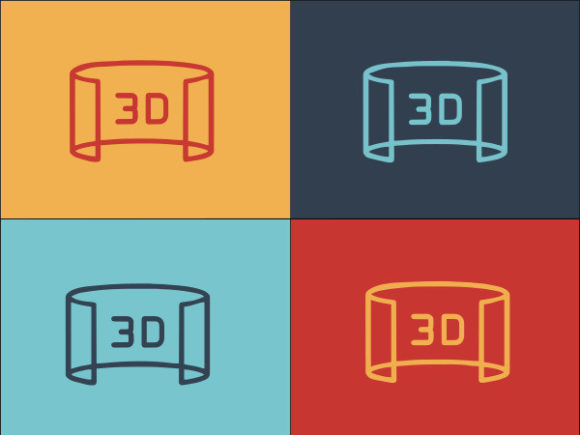
Elegance in design is often defined by simplicity and adaptability. The 3d View logo is described as modern, versatile, and stylish, characteristics that make it an ideal starting point for brand identity projects. However, a template is only as good as its ability to be customized. The fact that these files are easy to edit colors and modify elements allows users to inject their unique brand personality without starting from scratch.
For small business owners and freelancers, this customization capability is crucial. It enables rapid prototyping of brand concepts. During the initial planning phase of a new venture, stakeholders may want to visualize how a logo looks in different color palettes—perhaps testing a monochromatic scheme for professionalism versus a vibrant palette for energy. With editable vector files, these iterations can be created in minutes rather than days. This speed facilitates better decision-making, allowing clients and teams to evaluate options quickly and move forward with confidence.
Furthermore, the "ready to print" nature of the asset ensures that the digital design translates accurately to physical mediums. Whether designing wedding stationery, product labels, or apparel, the precision of the vector paths guarantees that cuts, prints, and finishes meet professional standards. This is particularly important for industries like packaging and apparel, where misalignment or pixelation can significantly detract from perceived product value.
Diverse Use Cases Across Industries
The versatility of the 3d View template extends beyond simple logo placement. Its clean lines and modern aesthetic allow it to function effectively in a variety of design contexts. Here is how it can be integrated into specific project types:
Wedding Stationery and Event Design
For event planners and couples designing their own invitations, the elegant nature of the 3d View logo provides a sophisticated focal point. It can be used as a monogram, a decorative element on save-the-dates, or a watermark on digital thank-you notes. The ability to scale the design ensures it looks appropriate on both large invitation cards and small favor tags.
Packaging and Product Design
In the realm of consumer goods, branding is paramount. The 3d View template serves as a robust base for label design. Its scalability allows it to be resized to fit tiny product stickers or expanded for box art. The clean vector structure also makes it easier for printers to handle, reducing the risk of errors during the pre-press stage. For e-commerce entrepreneurs, this means faster time-to-market for new products.
Apparel and Merchandise
For brands looking to expand into merchandise, such as t-shirts, hats, or tote bags, the 3d View logo offers excellent adaptability. Vector files are ideal for screen printing and embroidery digitizing because they provide clear boundaries and solid shapes. Designers can easily adjust the size and color contrast to ensure visibility and durability on fabric textures.
Typographic and Sticker Design
The stylized nature of the 3d View design lends itself well to typographic experiments. Users can isolate specific parts of the logo to create sticker packs or decorative elements for blogs and social media content. This repurposing of assets maximizes the return on investment for the initial design purchase, providing a suite of marketing materials from a single source file.
Efficiency and Long-Term Workflow Benefits
Integrating the 3d View template into a workflow offers long-term benefits in terms of organization and efficiency. Because the files are standardized and widely compatible, they become a reusable asset within a company’s library. Future projects can build upon this foundation, maintaining visual continuity across campaigns and products. This consistency reinforces brand recognition, which is a cumulative process that pays dividends over time.
Additionally, the ease of use reduces the cognitive load on designers and creators. When the technical aspects of file handling and scaling are simplified, creative energy can be focused on strategy, messaging, and innovation. For productivity-minded users, this shift from technical execution to creative direction is a significant advantage. It allows for a more streamlined approach to project management, where deadlines are met with higher quality outputs and less stress.
Conclusion on Implementation
The 3d View logo template is a practical tool for anyone seeking to elevate their visual communication without compromising on speed or quality. Its strength lies in its intersection of aesthetic appeal and technical utility. By providing 100 scalable vector files that are easy to customize and ready for print, it removes many of the traditional hurdles associated with professional design.
Whether you are launching a startup, redesigning a brand, or creating custom merchandise, integrating this template into your process can enhance your output. It supports a workflow that values preparation, compatibility, and consistency. As digital and physical branding continue to converge, having assets that bridge these worlds effortlessly is no longer optional—it is essential. The 3d View template offers a reliable, elegant, and versatile solution for meeting these modern demands.