Evaluating Isometric Chair 3D Render Pack 19 for Professional and Creative Projects
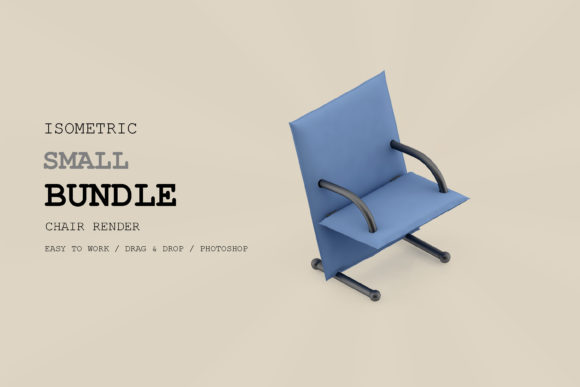
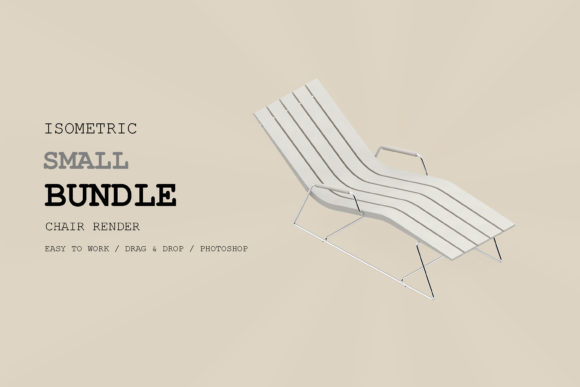
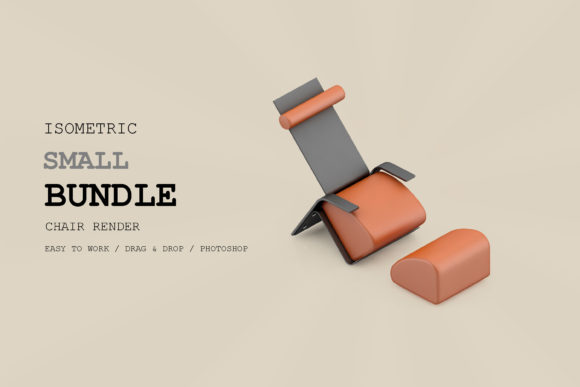
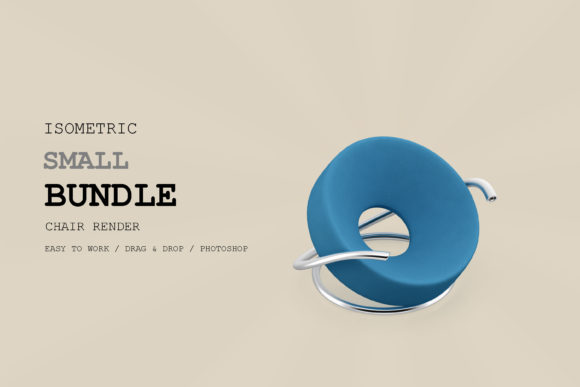
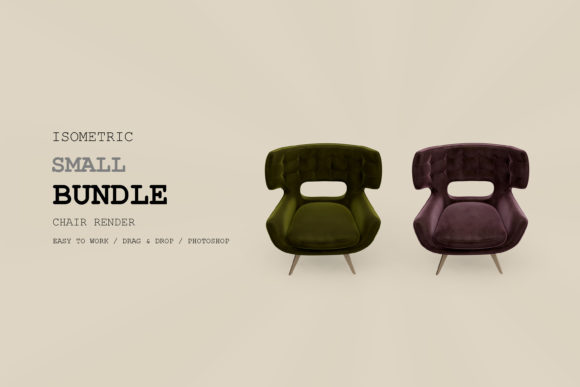
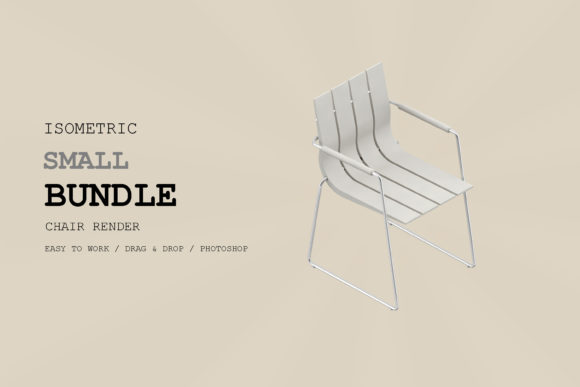
In the landscape of digital design assets, finding high-quality, versatile 3D models is often a time-consuming process. Designers, architects, and content creators frequently face the challenge of sourcing elements that are not only visually appealing but also technically robust enough for various workflows. Isometric Chair 3D Render Pack 19 emerges as a specific solution designed to address these needs by offering a collection of pre-rendered, high-resolution chair models in an isometric perspective. This pack is particularly notable for its organized structure, including separated backgrounds, distinct shadow layers, and comprehensive help files, making it suitable for a wide array of applications ranging from architectural visualization to social media marketing.
Understanding the technical specifications and intended use cases of this resource is essential before integrating it into a project. Unlike raw 3D model files (such as .obj or .fbx) that require significant rendering power and software expertise to produce final images, render packs provide ready-to-use visual assets. This distinction fundamentally changes how a designer interacts with the material, shifting the workflow from creation to composition. The following analysis explores the features, benefits, limitations, and ideal scenarios for using Isometric Chair 3D Render Pack 19.
Technical Specifications and Workflow Advantages
The core value proposition of Isometric Chair 3D Render Pack 19 lies in its preparation for immediate use. Each asset within the pack is delivered at a high resolution with a DPI of 300, ensuring clarity whether the image is viewed on a high-density mobile screen or printed on large-format physical materials. This level of detail is critical for professional outputs where pixelation or blurriness can undermine the perceived quality of a brand or design proposal.
One of the most significant technical features is the inclusion of separated backgrounds. In traditional design workflows, removing a background from a complex object like a chair can be tedious and error-prone, especially when dealing with intricate leg structures or fabric textures. By providing clean cutouts, the pack allows designers to place the chairs directly onto any desired backdrop—be it a gradient, a patterned floor, or a realistic room environment—without the need for manual masking in Photoshop or other raster graphics editors. This saves considerable time and reduces the risk of artifacts around the edges of the subject.
Furthermore, the pack includes separated shadow layers. Shadows are crucial for grounding an object in space and providing a sense of realism. In isometric designs, which simulate a three-dimensional view without perspective distortion, accurate shadows enhance the depth and spatial relationship between objects. Having these shadows on separate layers gives designers full control over opacity, color, and position. They can adjust the intensity of the shadow to match different lighting conditions or remove it entirely if the design calls for a flat, minimalist aesthetic. This flexibility is often lacking in single-layer PNGs or JPEGs.
The presence of an organized layer structure and a dedicated help file further streamlines the user experience. For those using vector-based software or layered PSD files, having well-named and grouped layers prevents the "layer soup" problem, where dozens of unlabelled elements make editing difficult. The help file serves as a quick reference guide, explaining file formats, licensing terms, and tips for optimal usage, which is invaluable for both novice users and seasoned professionals looking to integrate new assets efficiently.
Comparing Render Packs to Raw 3D Models
When evaluating resources like Isometric Chair 3D Render Pack 19, it is helpful to compare them against alternative approaches, such as downloading raw 3D model files or creating custom renders from scratch. Each method has distinct tradeoffs regarding cost, time, and technical skill requirements.
- Raw 3D Models: Downloading a .blend, .max, or .skp file offers maximum flexibility. Users can change materials, modify geometry, and animate the object. However, this requires specialized software knowledge and significant computational resources to render the final image. It is ideal for projects requiring customization but poor for tight deadlines or teams without 3D expertise.
- Custom Renders: Creating in-house renders ensures perfect alignment with brand guidelines and specific lighting needs. Yet, this approach is labor-intensive and expensive, requiring skilled artists and hours of setup time.
- Render Packs (e.g., Pack 19): These offer a middle ground. They provide high-quality visuals instantly with no rendering required. The tradeoff is a lack of geometric editability; you cannot change the shape of the chair or swap the fabric texture easily. However, for static compositions, infographics, and layout designs, this limitation is rarely felt.
For many design tasks, particularly those involving web graphics, print brochures, and social media posts, the speed and consistency offered by a render pack outweigh the need for deep 3D manipulation. Isometric Chair 3D Render Pack 19 fits squarely into this category, prioritizing ease of integration and visual polish over structural modification.
Ideal Use Cases and Applications
The versatility of Isometric Chair 3D Render Pack 19 makes it suitable for a diverse range of industries and project types. Its isometric style, characterized by parallel lines and consistent angles, is particularly popular in modern UI/UX design, explainer videos, and infographic creation because it conveys information clearly without the complexity of perspective distortion.
Architecture and Interior Design Visualization
Architects and interior designers often use isometric views to present furniture layouts to clients who may struggle with interpreting orthographic plans or perspective renders. Pack 19 provides photorealistic chair options that can be dropped into floor plans or mockups. The separated shadow feature is especially useful here, allowing designers to cast shadows that correspond to the virtual light source in their architectural scene, enhancing the believability of the presentation.
Social Media and Digital Advertising
In the fast-paced world of social media, attention spans are short. High-contrast, clean, and visually engaging graphics perform best. The high resolution (300 DPI) and sharp details of Pack 19 ensure that chairs look premium in Instagram posts, Facebook ads, or Pinterest pins. The ability to quickly swap out chair styles to match different product launches or seasonal themes allows marketers to maintain fresh content without commissioning new photography or renders every time.
Educational Materials and School Projects
Students and educators in fields like graphic design, architecture, and marketing benefit from the organized nature of the pack. The help file and clear layer structure make it easier for learners to understand how professional assets are structured. Whether creating a poster for a school project or designing a textbook illustration, the pack provides a reliable, professional-looking component that elevates the overall quality of the work.
Web Design and Blogging
Websites require optimized images that load quickly but still look crisp on retina displays. While the pack is high-resolution, the transparent backgrounds allow for efficient compositing. Web designers can use these chairs as decorative elements in hero sections, about pages, or service descriptions. The consistent isometric angle helps maintain visual harmony across different pages, contributing to a cohesive user experience.
Limitations and Considerations
While Isometric Chair 3D Render Pack 19 is a powerful tool, it is not a universal solution. Designers must consider the fixed nature of the assets. If a project requires a chair in a unique colorway not included in the pack, or if the specific ergonomic shape does not fit the brand identity, the user will need to find another asset or resort to custom 3D modeling. Additionally, because these are rendered images, they do not scale infinitely like vector graphics. While 300 DPI is sufficient for most print sizes, extremely large format prints (such as billboards) might reveal pixelation if the original file dimensions are insufficient.
Another consideration is the stylistic consistency. Isometric art has a specific aesthetic that appeals to modern, tech-forward, or minimalist brands. It may not be appropriate for traditional, rustic, or highly ornate design contexts where realistic perspective photography would be more fitting. Therefore, evaluating the overall visual language of the project is crucial before committing to this type of asset.
Decision Factors: When to Choose Pack 19
Choosing Isometric Chair 3D Render Pack 19 is advisable when the primary goals are speed, consistency, and ease of use. It is an excellent choice for agencies handling multiple client projects simultaneously, freelance designers working under tight deadlines, or small businesses that lack a dedicated 3D artist. The inclusion of separated shadows and backgrounds significantly reduces post-production time, allowing designers to focus on layout and messaging rather than technical cleanup.
Conversely, if the project demands extensive customization, animation, or integration into a dynamic 3D environment, purchasing raw 3D models would be a more prudent investment. Similarly, if the budget allows for bespoke photography or custom illustration, those routes might offer a more unique brand voice than a stock-style render pack.
In summary, Isometric Chair 3D Render Pack 19 stands out as a practical, high-quality resource for professionals seeking to enhance their visual communications with polished, isometric furniture imagery. Its technical features—high resolution, organized layers, and separated elements—address common pain points in digital design workflows. By understanding its strengths and limitations, users can make informed decisions about when to incorporate this pack into their projects, ultimately saving time and elevating the visual impact of their work.