Isometric Armchair 3D Rendering Pack 31
In the realm of digital design, consistency and efficiency are often the deciding factors between a project that feels polished and one that appears rushed. For professionals working in interior visualization, advertising, or educational content creation, the demand for high-quality, reusable assets is relentless. This is where specialized asset packs become invaluable tools rather than mere collections of images. Isometric Armchair 3D Rendering Pack 31 represents a targeted solution for designers seeking to integrate realistic furniture elements into isometric environments without the overhead of modeling from scratch. By examining its technical specifications and practical applications, we can determine how this pack fits into modern creative workflows.
The Core Value Proposition
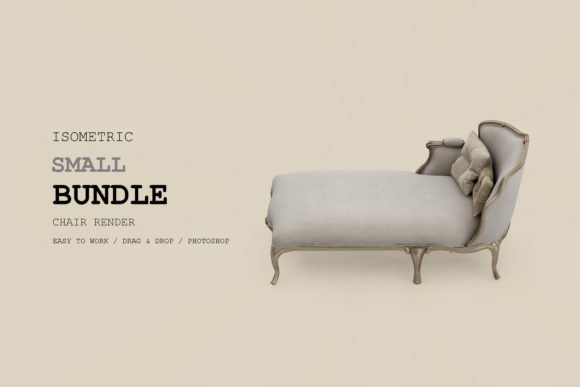
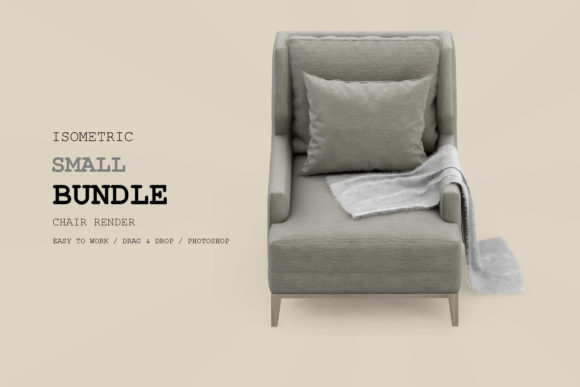
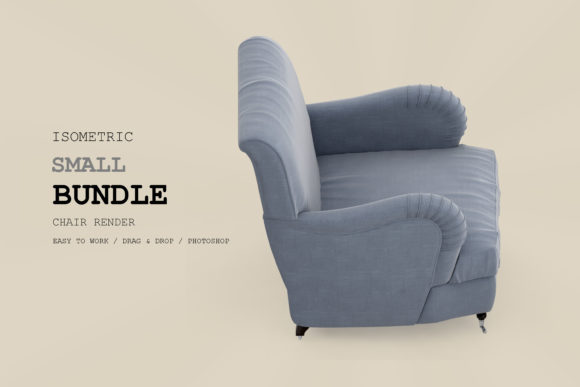
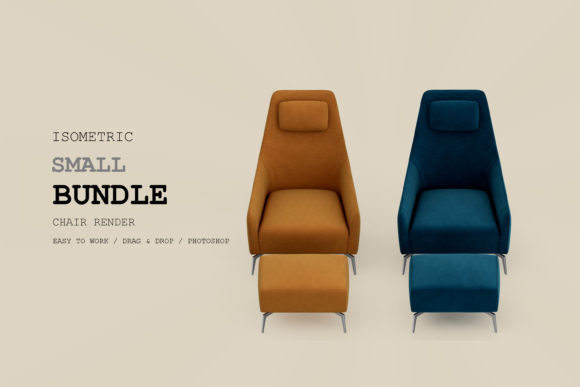
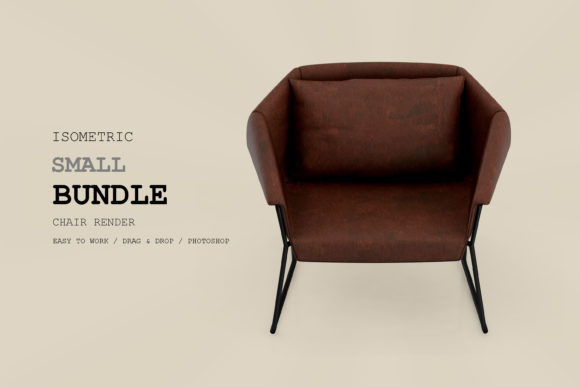
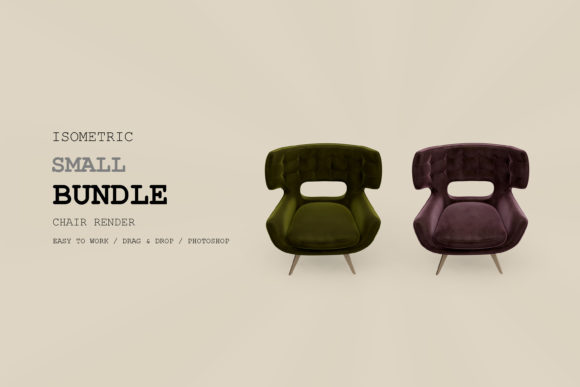
At its foundation, Isometric Armchair 3D Rendering Pack 31 provides a set of pre-rendered assets designed specifically for isometric projection. Unlike standard perspective renders, isometric views require precise geometric alignment and consistent lighting angles to maintain visual coherence across a scene. This pack addresses that need by delivering armchairs that are already baked into an isometric coordinate system. The primary advantage here is time savings. Designers no longer need to spend hours adjusting camera angles, calibrating light sources, or fixing geometry errors in software like Blender or Maya. Instead, they receive ready-to-use components that slot directly into existing compositions.
The focus on the armchair as a subject matter is strategic. Armchairs are central pieces of furniture in living rooms, offices, lobbies, and reading nooks. They define the scale and comfort level of a space. Having a dedicated pack for this specific item allows for greater detail and variety in upholstery textures, leg styles, and color palettes, which might be diluted if included in a generic "furniture bundle." This specialization ensures that the assets look authentic and purpose-built for interior design contexts.
Technical Specifications and Usability
Evaluating a digital asset pack requires looking beyond the visual appeal to the underlying file structure. Isometric Armchair 3D Rendering Pack 31 distinguishes itself through several key technical features that enhance its utility for professional users.
Separated Background and Shadow
One of the most critical aspects of using render assets in composite work is isolation. Many low-quality packs provide flat images with integrated backgrounds, forcing the designer to manually mask out the object—a tedious and error-prone process. In contrast, this pack offers separated backgrounds. This means the armchair exists on a transparent channel, allowing it to be placed over any backdrop, texture, or environment map without unwanted edges or artifacts. Furthermore, the inclusion of separated shadows is a significant strength. Shadows ground objects in a scene, providing depth and realism. By having the shadow layer distinct from the chair itself, designers can adjust the opacity, blur, and position of the shadow independently. This flexibility allows for dynamic lighting adjustments during the compositing phase, ensuring the furniture interacts convincingly with different floor surfaces and lighting conditions.
High Resolution and DPI Standards
For projects that bridge digital and physical media, resolution is non-negotiable. Isometric Armchair 3D Rendering Pack 31 delivers files at high resolution with a DPI (dots per inch) of 300. This specification is the industry standard for print production. It ensures that when these assets are used in brochures, magazines, posters, or architectural presentations, they remain crisp and clear even when scaled up. Low-resolution assets often appear pixelated or blurry when printed, undermining the professionalism of the final output. By adhering to the 300 DPI standard, this pack supports dual-use cases, making it suitable for both screen-based displays and tangible print materials.
Organized Layers and Documentation
Usability is often determined by how easy a tool is to integrate into an existing workflow. The organized layers within the files simplify the editing process in software such as Adobe Photoshop or Affinity Photo. Whether the layers separate the fabric, legs, cushions, or frame, having them logically grouped reduces the risk of accidental edits and speeds up customization. Additionally, the inclusion of a help file demonstrates a commitment to user support. This documentation likely covers installation instructions, licensing terms, and tips for optimal usage. For freelancers and small business owners who may not have dedicated IT support, such guidance reduces friction and allows them to start creating immediately.
Practical Applications Across Industries
The versatility of Isometric Armchair 3D Rendering Pack 31 makes it relevant to a broad spectrum of industries. Its application extends far beyond simple interior decoration visuals.
- Architecture and Interior Design: Architects and interior designers frequently use isometric views to communicate spatial relationships to clients who may struggle with traditional floor plans. These renders offer a clear, engaging way to showcase furniture layouts. The high quality of this pack allows firms to produce client-ready visuals quickly, potentially accelerating the approval process.
- E-commerce and Advertising: Online retailers selling furniture need consistent product imagery. While product photography is ideal, 3D renders offer unlimited variations in color and setting without the cost of physical staging. Advertisers can use these armchairs in lifestyle compositions to evoke a sense of comfort and style, driving engagement in social media campaigns.
- Educational Materials: Teachers and textbook publishers often rely on diagrams to explain concepts related to home economics, design principles, or even mathematics (geometry and volume). The clean lines and clear separation of parts in these renders make them excellent candidates for instructional content. The ability to isolate the chair helps in breaking down complex structures for students.
- Blogging and Content Marketing: Digital creators constantly seek unique visuals to break up text and increase reader retention. Generic stock photos are ubiquitous and often lack originality. Using a specialized isometric pack allows bloggers to create distinctive headers, infographics, and sidebars that stand out in a crowded feed.
- Social Media Management: Platforms like Instagram and Pinterest favor visually striking, square-format content. Isometric illustrations naturally fit this format. Marketers can mix and match these armchairs with other isometric elements to create cohesive series of posts that reinforce brand identity.
Audience Fit and Strategic Considerations
Who benefits most from Isometric Armchair 3D Rendering Pack 31? The answer lies in the user’s need for speed, quality, and flexibility. Freelance graphic designers working under tight deadlines will appreciate the time saved by not rendering models themselves. Small marketing agencies can expand their service offerings to include custom isometric illustrations without hiring additional 3D artists. Educators can produce high-quality handouts and slide decks that look professionally made. Even serious hobbyists involved in DIY blogs or home renovation journals can leverage these assets to visualize potential changes in their own spaces.
However, it is important to approach this resource with realistic expectations. This is a pack of rendered images, not a 3D model file (such as .obj or .fbx). Users cannot rotate the armchair to view it from different angles; they are limited to the provided isometric viewpoints. If a project requires a dynamic, rotating 3D viewer on a website, this pack would not be suitable. Additionally, while the layers are organized, significant customization—such as changing the shape of the armrests or altering the fundamental structure of the chair—would require advanced photo manipulation skills or returning to the source 3D software if available. Therefore, the pack is best suited for users who need to place furniture into scenes rather than those who need to modify the geometry of the furniture itself.
Long-Term Value and Consistency
In creative projects, consistency is key to building trust with an audience. Isometric Armchair 3D Rendering Pack 31 contributes to this consistency by offering a uniform style. Because all items in the pack share the same lighting engine, perspective ratio, and resolution, they blend seamlessly together. This is particularly valuable for larger projects, such as designing a virtual showroom or creating a comprehensive infographic series, where mismatched visual styles can distract the viewer. The reliability of the file formats and the clarity of the documentation further enhance the long-term value of the purchase. Users can return to the pack months later, confident that the files will open correctly and perform as expected.
Conclusion
Isometric Armchair 3D Rendering Pack 31 stands out as a pragmatic resource for professionals who value precision and efficiency. Its combination of high-resolution output, separated layers, and thoughtful organization addresses common pain points in digital composition. While it does not replace the need for 3D modeling skills, it effectively bridges the gap between raw data and finished design. For architects, marketers, educators, and content creators, this pack offers a reliable way to elevate their visual communication. By selecting assets that are technically robust and aesthetically coherent, users can focus more on the narrative of their projects and less on the technical hurdles of asset preparation. In an era where visual quality dictates engagement, having access to well-crafted resources like this is not just a convenience—it is a competitive advantage.