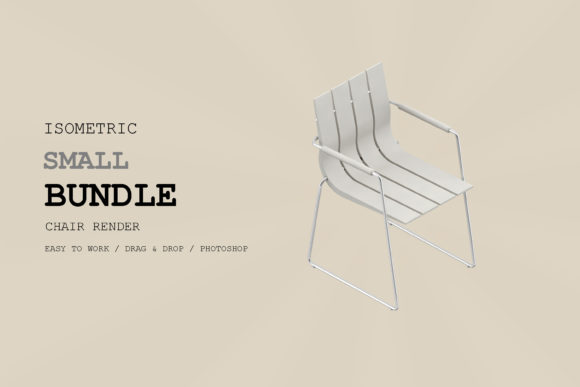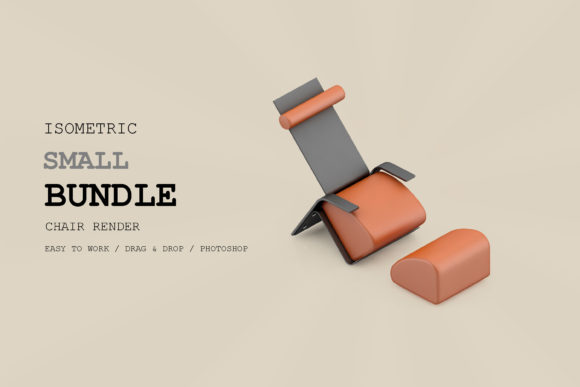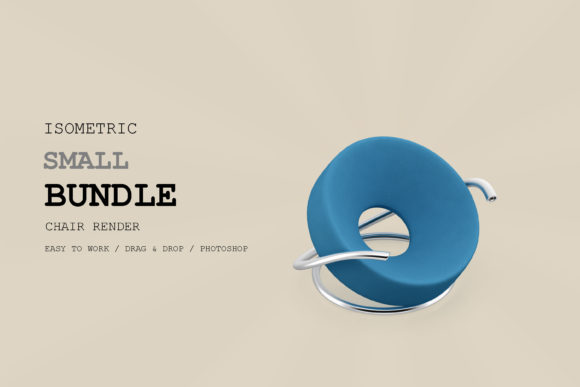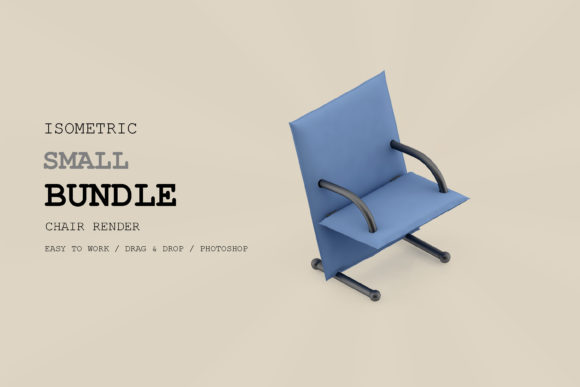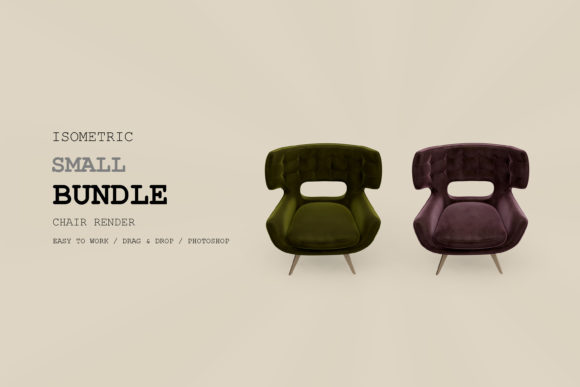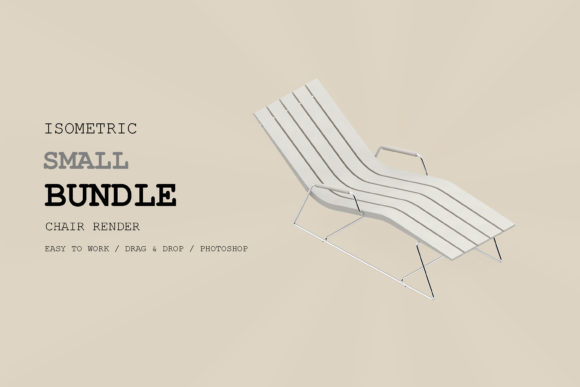
Isometric Chair 3D Render Pack 17
In the rapidly evolving landscape of digital design, visual clarity and aesthetic precision are no longer just nice-to-haves; they are essential components of effective communication. When designers seek to elevate their projects with modern, clean aesthetics, high-quality 3D assets become invaluable tools. The Isometric Chair 3D Render Pack 17 stands out as a premium resource that bridges the gap between technical accuracy and artistic expression. By offering separated backgrounds, high-resolution outputs at 300 DPI, and organized layers, this pack provides the flexibility needed for professional workflows across various creative disciplines.
Why Quality Assets Matter in Modern Design
Graphic design is fundamentally about solving problems visually. Whether you are crafting a brand identity or designing a user interface, every element must contribute to a cohesive narrative. Low-quality images can disrupt this flow, introducing visual noise that distracts from your core message. In contrast, using polished, high-fidelity renders like those found in the Isometric Chair 3D Render Pack 17 ensures that your work maintains a professional presentation. The separation of elements allows for greater control over composition, enabling designers to manipulate shadows, lighting, and placement with surgical precision.
This level of detail supports strong visual hierarchy, guiding the viewer’s eye exactly where it needs to go. For brands aiming to establish trust and credibility, consistency in visual quality is paramount. A well-integrated 3D chair render can serve as a focal point in editorial layouts, adding depth and realism without the need for complex photography setups or expensive 3D modeling sessions.
Technical Advantages for Designers
The specific features of the Isometric Chair 3D Render Pack 17 are tailored to streamline the design process. Understanding these technical benefits helps creators maximize their potential:
- High Resolution (300 DPI): This specification ensures that graphics remain crisp and clear whether displayed on a retina screen or printed on high-quality paper. It eliminates pixelation issues common in lower-resolution assets.
- Separated Backgrounds: Removing the background automatically saves hours of manual masking. This feature allows for seamless integration into any color palette or scene, enhancing versatility.
- Organized Layers: For users working in software like Photoshop or Illustrator, organized layers mean faster editing. You can adjust individual components of the chair independently, facilitating precise customization.
- Separated Shadows: Independent shadow layers allow for realistic grounding of objects within a scene. Designers can tweak opacity and blur to match the lighting conditions of their specific project context.
Practical Applications Across Industries
The versatility of the Isometric Chair 3D Render Pack 17 makes it suitable for a wide array of use cases. Its modern aesthetics align perfectly with current design trends, making it an excellent choice for diverse projects.
Digital Marketing and Social Media
In the crowded space of social media graphics, standing out requires immediate visual impact. These renders can be used to create engaging posts for platforms like Instagram, LinkedIn, or Pinterest. They add a touch of sophistication to promotional content, helping brands communicate product features or interior design concepts effectively. For digital marketing campaigns, such assets can enhance ad creatives, improving click-through rates through superior visual appeal.
Web and UI/UX Design
Website design often relies on vector illustrations or flat icons, but incorporating subtle 3D elements can add depth and interactivity. The Isometric Chair 3D Render Pack 17 can be integrated into landing pages, especially for furniture retailers, architecture firms, or co-working spaces. In UI design, these assets can serve as illustrative elements that guide users or break up text-heavy sections, improving overall UX design by making interfaces more inviting and easier to navigate.
Print and Editorial Projects
For print design, the 300 DPI resolution is critical. Magazines, brochures, and catalogs benefit from the sharpness and detail provided by this pack. Editors can use these renders to illustrate articles about home decor, office ergonomics, or architectural trends. The ability to separate shadows and backgrounds allows for sophisticated compositing that mimics high-end photography, all while maintaining a stylized, graphic look.
Architecture and Branding
Architectural visualization often requires furnishing spaces to give clients a sense of scale and atmosphere. While these chairs may not replace photorealistic renders for large-scale buildings, they are perfect for interior mood boards, concept presentations, and branding materials. For logo design and brand identity, these isolated elements can be used as distinctive icons or decorative accents, reinforcing a modern and innovative brand image.
Selecting and Utilizing Design Elements Effectively
When incorporating assets like the Isometric Chair 3D Render Pack 17 into your workflow, consider the broader design goals. Consistency is key; ensure that the style of the 3D render matches the rest of your visual language. If your brand uses flat vectors, blending a semi-realistic 3D chair might require careful adjustment of lighting and color grading to maintain harmony.
Typography also plays a crucial role when pairing text with these visuals. Choose fonts that complement the clean lines of the isometric perspective. Sans-serif typefaces often work well to maintain a modern feel, while serif fonts can add a layer of elegance if the context calls for it. Pay attention to negative space; allowing the chair render room to breathe prevents the design from feeling cluttered and enhances readability.
Ultimately, the value of the Isometric Chair 3D Render Pack 17 lies in its ability to empower designers to create polished, professional results efficiently. By leveraging high-quality, pre-rendered assets, creators can focus more on strategy and less on technical execution. This shift not only improves the aesthetic quality of the final output but also accelerates the production timeline. Thoughtful design choices, supported by robust creative assets, lead to better communication, stronger engagement, and a more impactful presence in both digital and physical realms.