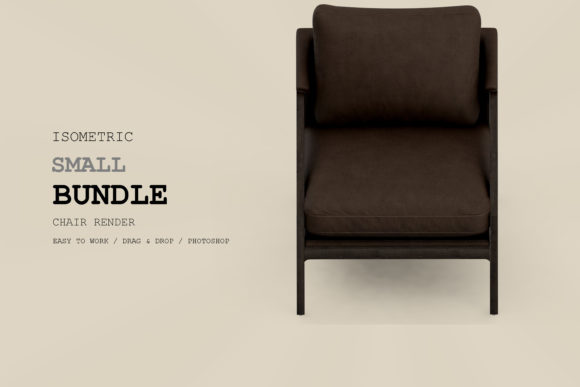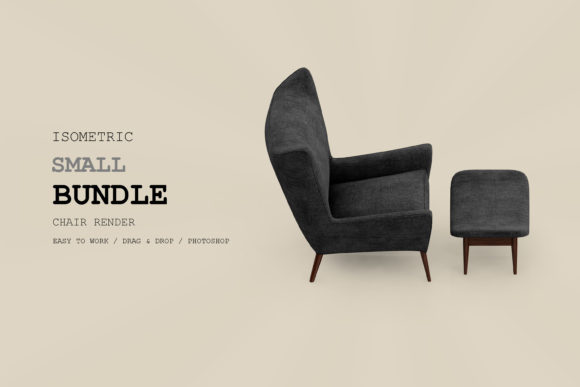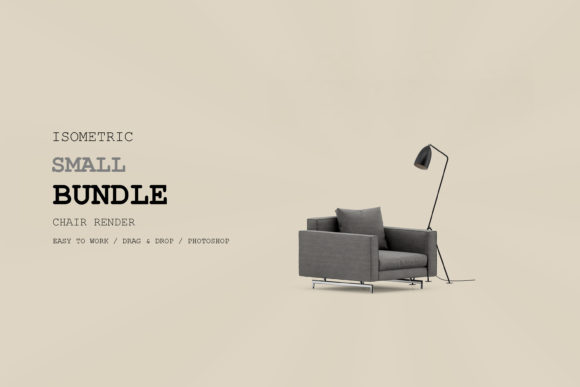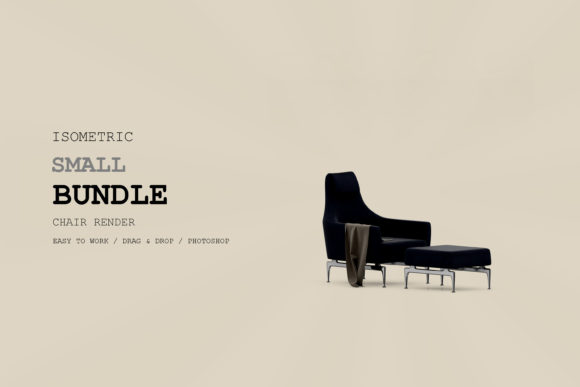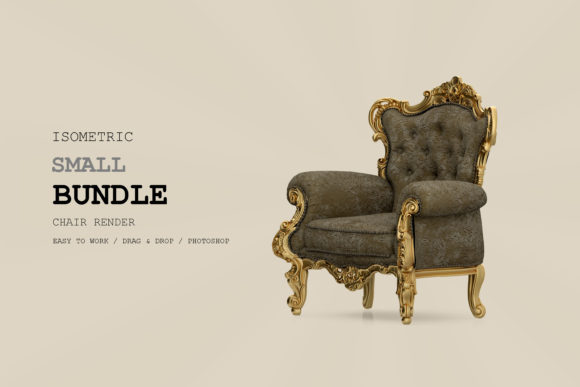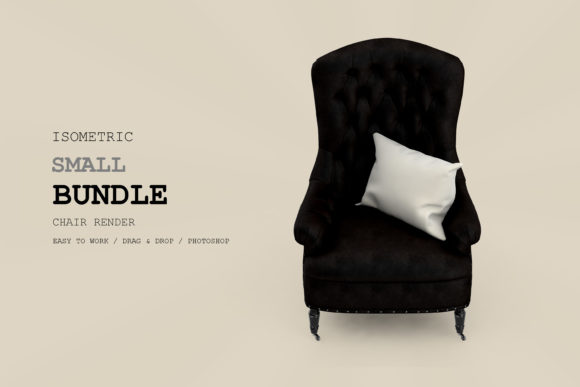
Isometric Armchair 3D Rendering Pac 113: A Comprehensive Evaluation for Designers and Creators
In the evolving landscape of digital design, the demand for high-quality, versatile visual assets has never been higher. Among the myriad of resources available to graphic designers, architects, and content creators, Isometric Armchair 3D Rendering Pac 113 stands out as a specialized tool designed to bridge the gap between technical precision and aesthetic appeal. This asset pack is not merely a static image; it is a structured, professional-grade 3D rendering component that offers significant utility across various creative workflows. For professionals aged 20 to 50 who are constantly evaluating tools to enhance their output efficiency and visual quality, understanding the specific capabilities and applications of this asset is crucial.
The core value of Isometric Armchair 3D Rendering Pac 113 lies in its adherence to strict industry standards while maintaining flexibility. Unlike generic stock photos or low-resolution renders that often require extensive post-processing, this package is engineered for immediate integration into complex designs. Its distinct features—ranging from separated backgrounds to organized layers—make it an ideal candidate for projects requiring clarity, professionalism, and scalability. By examining its technical specifications and potential use cases, we can determine how it fits into broader design strategies and whether it serves as a superior alternative to other common methods of incorporating furniture visuals into projects.
Technical Specifications and Structural Advantages
When comparing different types of 3D assets, the underlying file structure often dictates the ease of use and final quality. Isometric Armchair 3D Rendering Pac 113 distinguishes itself through a robust technical foundation. The inclusion of a separated background is perhaps the most immediately beneficial feature for designers. In traditional workflows, removing backgrounds from complex objects like upholstered furniture can be time-consuming and prone to errors, especially with intricate textures like fabric or wood grain. With this asset, the armchair is already isolated, allowing for seamless placement onto any backdrop without the risk of clipping or haloing artifacts.
Furthermore, the asset is delivered in high resolution at 300 DPI. This specification is critical for print projects where pixelation can ruin the perceived quality of a design. Many online assets are optimized for web use (72–96 DPI), which appears sharp on screens but blurry when printed. By providing 300 DPI resolution, Isometric Armchair 3D Rendering Pac 113 ensures that the texture details, shadows, and lighting remain crisp whether viewed on a mobile device or reproduced in a large-format brochure. This dual-purpose capability reduces the need for designers to source separate assets for digital and print media, streamlining the production pipeline.
The organization of the file layers is another key differentiator. Professional design software relies heavily on layer management to allow for non-destructive editing. Isometric Armchair 3D Rendering Pac 113 comes with organized layers, meaning that elements such as the seat cushion, armrests, legs, and shadow effects are likely grouped logically. This allows users to adjust individual components—for instance, changing the color of the upholstery or adjusting the position of the chair within a scene—without having to rebuild the object from scratch. Additionally, the presence of a separated shadow provides greater control over lighting consistency. Instead of relying on baked-in shadows that may not match the ambient light of a new composition, designers can manipulate the shadow’s opacity, blur, and angle to ensure the armchair feels grounded and realistic within any environment.
Comprehensive Use Cases Across Industries
The versatility of Isometric Armchair 3D Rendering Pac 113 makes it suitable for a wide array of applications. Understanding these contexts helps clarify why this specific asset might be chosen over others. Below are several primary sectors where this resource proves particularly valuable.
- School Projects and Academic Presentations: For students in interior design, architecture, or graphic arts, creating convincing visualizations is a core learning outcome. Using a pre-rendered, high-quality asset allows students to focus on composition, color theory, and layout rather than struggling with complex 3D modeling software. It provides a professional baseline that elevates the overall quality of academic submissions.
- Social Media Content Creation: In the fast-paced world of social networking, engagement is driven by visually striking content. Isometric illustrations are popular for their clean, modern aesthetic. This asset allows influencers and brands to create eye-catching posts quickly. The high resolution ensures that images look premium on platforms like Instagram and Pinterest, where visual fidelity directly impacts user perception.
- Print Projects: As noted earlier, the 300 DPI resolution makes this asset ideal for physical media. Brochures, catalogs, magazines, and business cards benefit from the sharpness and detail provided by Isometric Armchair 3D Rendering Pac 113. Print designers often struggle to find vector-compatible or high-res raster assets that do not require expensive licensing for commercial use; this pack offers a practical solution for such needs.
- Architecture and Interior Design Visualization: Architects frequently need to populate renderings with furniture to convey scale and atmosphere. While full 3D scenes are powerful, they are also resource-intensive. Using a high-quality 2.5D isometric render can serve as a placeholder or a stylistic choice in conceptual presentations. The separated shadow and background allow the armchair to blend naturally into architectural sketches or mood boards.
- Blog and Web Content: Digital content creators are always seeking ways to break up text and maintain reader interest. Custom graphics perform better than generic stock photos because they align perfectly with a brand’s style. Isometric Armchair 3D Rendering Pac 113 can be customized to match website color schemes, providing a unique visual identity that enhances user experience and dwell time.
- Advertisement and Marketing Materials: In advertising, clarity and impact are paramount. Whether designing a banner ad, a flyer, or a product landing page, having a central focal point that is instantly recognizable is essential. The clean lines and professional lighting of this rendering make it an effective anchor for promotional messages, helping to draw attention to calls-to-action.
Evaluating Alternatives and Tradeoffs
While Isometric Armchair 3D Rendering Pac 113 offers numerous advantages, it is important to consider how it compares to alternative approaches. One common alternative is using fully interactive 3D models (such as .obj or .fbx files) that can be rotated and viewed from any angle. While 3D models offer interactivity, they require significant computing power and specialized viewers to display correctly. They also present a steeper learning curve for designers who may not be proficient in 3D software. In contrast, Isometric Armchair 3D Rendering Pac 113 provides a "ready-to-use" solution that is lightweight and compatible with standard 2D design tools like Adobe Photoshop, Illustrator, or Canva. For projects where rotation is not necessary, the isometric approach is more efficient and less technically demanding.
Another alternative is sourcing free stock images from the internet. However, these often suffer from inconsistent lighting, varying angles, and lower resolutions. Integrating multiple stock images into a single composition can result in a disjointed look, as the lighting directions and shadow qualities rarely match. Isometric Armchair 3D Rendering Pac 113 solves this by providing a consistent artistic style. If a project requires multiple pieces of furniture, using assets from the same pack ensures visual harmony. Furthermore, the legal clarity associated with purchased or properly licensed asset packs reduces the risk of copyright infringement, a significant concern when using unverified free downloads.
There are also tradeoffs to consider regarding customization. While the organized layers allow for some modification, the base geometry and texture of the armchair are fixed. Users cannot change the fundamental shape of the chair or add entirely new structural elements without advanced compositing skills. For clients requiring highly bespoke furniture designs, this asset may serve only as a reference or a starting point rather than a final deliverable. However, for the majority of design tasks where the goal is to illustrate a concept or decorate a space rather than engineer a custom piece of furniture, this limitation is negligible.
Decision Factors: When to Choose Isometric Armchair 3D Rendering Pac 113
Selecting the right asset depends on the specific requirements of the project. Isometric Armchair 3D Rendering Pac 113 is the right choice when speed, consistency, and print readiness are priorities. It is particularly beneficial for designers who need to produce high-volume content, such as social media campaigns or educational materials, where time efficiency is critical. The inclusion of a help file suggests that the creator anticipates user questions and provides guidance on best practices, which adds value for those who may be less experienced with handling layered files.
Conversely, if a project demands photorealistic interaction, dynamic lighting changes, or complete geometric freedom, investing in a full 3D modeling workflow might be more appropriate. Similarly, if the budget is extremely tight and the project allows for minor imperfections, free stock resources might suffice. However, for professionals who prioritize brand integrity and visual polish, the investment in a structured, high-resolution asset like Isometric Armchair 3D Rendering Pac 113 typically yields a higher return in terms of perceived quality and production speed.
In conclusion, Isometric Armchair 3D Rendering Pac 113 represents a thoughtful convergence of technical precision and creative utility. Its features—separated background, high resolution, organized layers, and separated shadow—are not just buzzwords but practical tools that address common pain points in the design process. By understanding its strengths and limitations, designers can make informed decisions about when to incorporate this asset into their workflow, ultimately enhancing the quality and efficiency of their work across school projects, digital media, print publications, and architectural visualizations.