Small Pack Armchair Isolated 3D Render: A Practical Guide to Integration and Workflow Efficiency
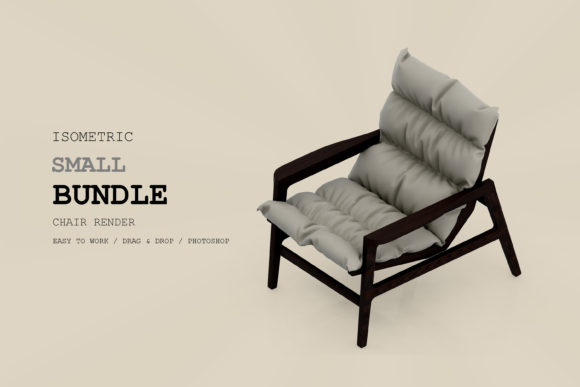
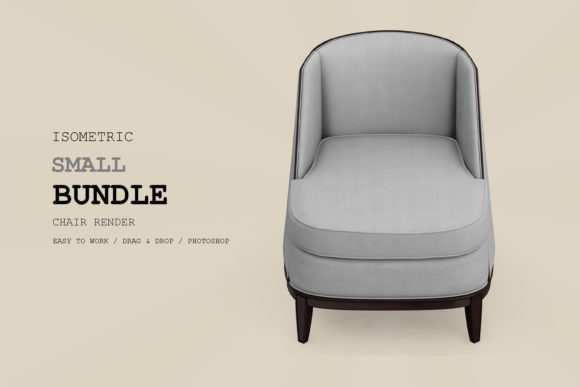
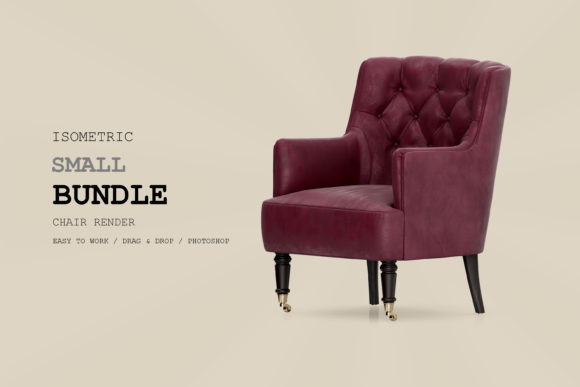
In the modern digital landscape, visual assets are no longer just decorative elements; they are functional components of a broader communication strategy. The Small Pack Armchair Isolated 3D Render represents a specific category of high-fidelity digital asset designed for maximum versatility. Unlike standard product photography, which often suffers from inconsistent lighting or distracting backgrounds, an isolated 3D render offers a clean, controlled environment that integrates seamlessly into diverse workflows. This guide explores how this specific asset fits into professional processes, from architectural visualization to social media marketing, emphasizing practical implementation and technical compatibility.
Understanding the Asset and Its Technical Foundation
Before integrating any digital asset into a project, it is crucial to understand its structural properties. The Small Pack Armchair Isolated 3D Render is not merely an image file; it is a carefully constructed digital object. The term "isolated" indicates that the subject has been separated from its original context, typically against a transparent or neutral background. This separation is critical for designers who need to composite the armchair into new environments without manual, pixel-by-pixel masking errors.
The technical specifications provided—such as DPI 300 and high resolution—are not arbitrary metrics but indicators of print readiness and scalability. DPI (Dots Per Inch) at 300 is the industry standard for high-quality physical printing. For professionals working in advertising or interior design, this ensures that when the armchair is placed on a brochure, poster, or catalog page, it remains sharp and detailed, avoiding the pixelation that plagues lower-resolution web images. Furthermore, the inclusion of organized layers and a separated shadow suggests that the source file (likely PSD or similar editable formats) allows for granular control over depth, lighting, and perspective.
Workflow Integration Across Industries
The value of the Small Pack Armchair Isolated 3D Render lies in its adaptability across multiple disciplines. Below, we examine how this asset interacts with specific professional workflows.
Architecture and Interior Design
For architects and interior designers, visualization is the primary tool for client communication. When presenting a room layout, the ability to insert a perfectly rendered armchair into a 3D scene or a 2D floor plan mockup is essential. Because the render includes a separated shadow, designers can adjust the shadow’s opacity and blur to match the lighting conditions of their virtual space. This attention to detail builds trust with clients, as the visualization appears photorealistic rather than like a generic clipart insertion. In the planning phase, this asset allows for rapid prototyping of furniture arrangements without the need for physical samples.
E-Commerce and Digital Marketing
In the realm of online retail and advertisement, consistency is key. Brands often sell products through various channels, each requiring different image dimensions and formats. The high-resolution nature of the Small Pack Armchair Isolated 3D Render ensures that whether the image is used on a mobile app, a desktop website, or a large-format banner ad, the quality remains intact. Marketers can utilize the isolated background to create custom lifestyle scenes, placing the armchair in a cozy living room setting or a minimalist studio to evoke specific emotional responses. The organized layers allow for quick color adjustments if the brand palette changes, saving significant time during campaign updates.
Education and Social Media Content Creation
Educators and content creators frequently struggle to find high-quality, royalty-free visuals that do not look stock-photo generic. The Small Pack Armchair Isolated 3D Render serves as a versatile element for blog posts, social media graphics, and educational presentations. For instance, a blogger writing about ergonomic seating can use the isolated render to highlight specific features of the chair, such as cushioning or armrest design, by overlaying text or arrows directly onto the image. On social networks, the clean isolation makes it easy to combine with vibrant backgrounds or seasonal themes, increasing engagement rates without requiring complex photo editing skills.
Practical Implementation and Best Practices
Simply having access to a high-quality asset is only half the equation. Successful integration requires adherence to best practices regarding file management, compatibility, and ethical usage.
- File Organization: When downloading assets like the Small Pack Armchair Isolated 3D Render, immediately organize them within your project directory. Use clear naming conventions (e.g., “Armchair_Render_HighRes.psd”) to ensure easy retrieval. If the asset includes a help file or readme document, read it carefully to understand layer constraints and recommended software versions.
- Software Compatibility: Ensure your design tools (such as Adobe Photoshop, Illustrator, or Affinity Designer) are updated to handle the file format correctly. Check if the layers are smart objects, which preserve image quality during scaling. If using vector-based software, verify if the render can be converted or if it must remain raster-based for optimal shadow rendering.
- Shadow Manipulation: The separated shadow is a powerful feature but requires careful handling. Avoid simply dropping the shadow layer onto a new background. Instead, sample the ambient light direction from your target background and adjust the shadow’s angle, distance, and spread to match. This subtle adjustment is what separates amateur composites from professional-grade designs.
- Resolution Management: While the source file is high-resolution (DPI 300), always work in the appropriate color mode (RGB for digital, CMYK for print) before final export. Failing to convert color modes can result in dull colors when printing. Always preview the final output in the intended medium to catch any potential issues early in the process.
Long-Term Value and Scalability
Investing in high-quality, well-documented 3D renders offers long-term benefits beyond a single project. These assets become part of a reusable library, reducing the need to commission new renders for every minor update. For small business owners and freelancers, this efficiency translates directly to cost savings and faster turnaround times. Moreover, the versatility of the Small Pack Armchair Isolated 3D Render means it can serve multiple purposes over time. An image created for a school project might later be repurposed for a freelance portfolio piece or a client advertisement, maximizing the return on investment for the asset.
Additionally, the organized nature of the file promotes consistency across brands. If a company uses the same armchair in various marketing materials, maintaining the exact same render ensures brand recognition. Customers begin to associate the specific look and feel of the chair with the brand’s identity, creating a cohesive visual language that strengthens market presence.
Conclusion
The Small Pack Armchair Isolated 3D Render is more than just a pretty picture; it is a strategic tool for efficient visual communication. By understanding its technical attributes—such as high resolution, organized layers, and separated shadows—professionals can integrate it smoothly into their workflows across architecture, marketing, education, and digital media. Prioritizing proper file management, software compatibility, and realistic shadow integration ensures that the final output meets professional standards. As digital content continues to dominate our interactions, leveraging high-quality, versatile assets like this render becomes an essential skill for anyone looking to produce compelling, credible, and effective visual work.