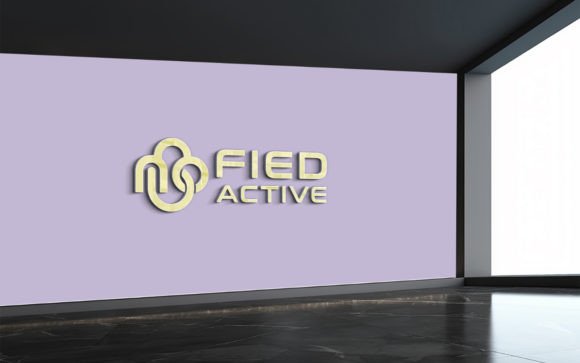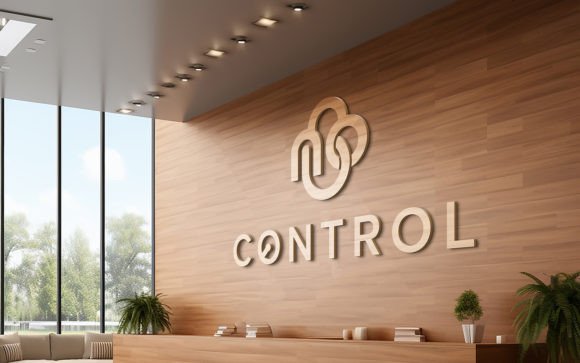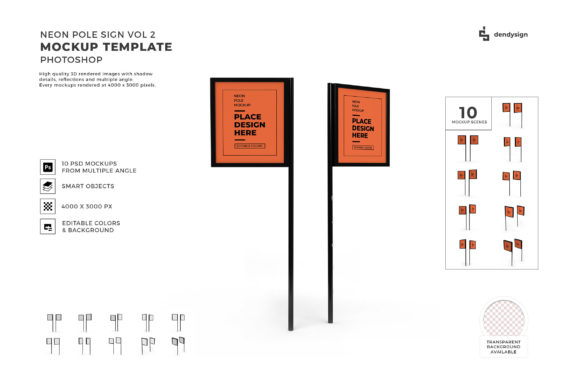
3d Chrome Logo Mockup Modern Facade Sign
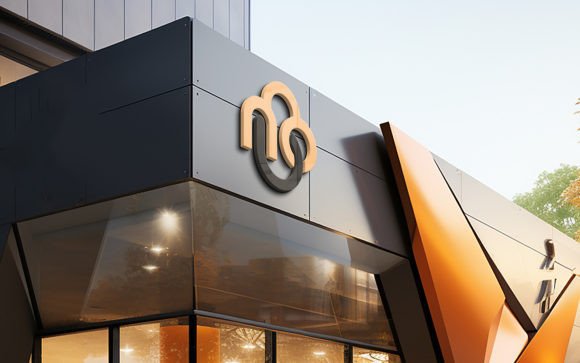
In the competitive landscape of brand identity and architectural signage, visual accuracy is paramount. Designers and business owners must bridge the gap between a flat digital concept and its physical manifestation on a building exterior. The 3d Chrome Logo Mockup Modern Facade Sign serves as a critical tool in this transition, offering a high-fidelity preview of how metallic branding elements will interact with modern architectural surfaces. This resource allows professionals to visualize chrome finishes, lighting reflections, and structural integration without the cost of physical prototyping.
This article evaluates the utility, technical specifications, and practical applications of this specific mockup template. It aims to help designers, marketing agencies, and property managers determine whether this asset aligns with their workflow requirements for presenting signage solutions to clients or stakeholders.
Understanding the Core Concept
A facade sign mockup is a digital template designed to simulate real-world signage. Specifically, the 3D Chrome Logo Mockup focuses on reflective, metallic aesthetics applied to a contemporary building structure. Unlike simple background replacements, this template utilizes advanced rendering techniques to ensure that shadows, ambient occlusion, and light reflections correspond accurately to the source image’s lighting conditions.
The primary value proposition lies in its ability to transform a two-dimensional logo into a three-dimensional object. When a designer uploads their vector or raster file, the software automatically maps it onto the curved or angled surface of the chrome sign. This process eliminates the manual labor of adjusting perspective and shading, ensuring that the final presentation looks indistinguishable from a photograph of an installed sign.
Technical Specifications and Workflow Efficiency
For professionals evaluating design assets, understanding the technical framework is essential. This mockup is provided in Photoshop (PSD) format, which remains the industry standard for layered editing. The resolution is set at 3000 x 2000 pixels with a density of 300 DPI, ensuring crisp output for both high-resolution print portfolios and detailed screen presentations.
- Smart Object Technology: The core feature is Smart Object replacement. Users simply double-click the designated layer, insert their design, and save. The template handles the complex warping, blending modes, and texture mapping automatically.
- Layer Organization: The file is fully layered and organized into folders. This structure includes separate layers for the chrome texture, the mounting brackets, the building facade, and environmental lighting effects. Such organization allows for granular control; for instance, a user might wish to adjust the brightness of the chrome reflection independently of the building’s ambient light.
- Editability: Described as 100% editable, the template does not lock the designer into a single aesthetic. While it provides a "modern" look, users can modify the background environment, change the time of day via lighting adjustments, or alter the intensity of the metallic sheen.
Evaluating Benefits for Design Professionals
The adoption of this mockup offers several distinct advantages for those involved in branding and architectural visualization.
Accelerated Client Presentations
Time is a significant constraint in agency workflows. Creating a photorealistic render from scratch using 3D modeling software like Blender or Cinema 4D can take hours or even days. Using this pre-built PSD reduces the production time to minutes. This efficiency allows designers to provide multiple variations to clients quickly, facilitating faster decision-making and approval cycles.
Enhanced Realism and Trust
Chrome is a challenging material to render due to its high reflectivity and sensitivity to environmental lighting. A poorly executed chrome effect can look artificial and diminish the perceived quality of a brand. By using a professionally crafted 3D mockup, designers leverage realistic ray-tracing-like effects. This realism builds trust with clients, who can better envision the final product’s impact on the building’s aesthetic.
No Specialized 3D Skills Required
Not all graphic designers possess proficiency in 3D modeling. This template democratizes access to high-end visualization. Marketers or junior designers can produce senior-level presentation materials by leveraging the smart object functionality. The requirement for skill is minimal, focusing instead on the creative selection of logos and colors.
Considerations and Potential Limitations
While powerful, this tool is not a universal solution. Understanding its limitations helps in setting realistic expectations.
Fixed Architectural Context
The mockup features a specific modern facade style. If a client’s building has a Victorian, rustic, or highly irregular architecture, this template may not fit seamlessly. The angles and textures are optimized for contemporary structures. In such cases, designers may need to search for alternative mockups that match the specific architectural vernacular of the project.
Lighting Consistency Challenges
Although the mockup applies automatic lighting, perfection requires attention to detail. If the client’s logo contains bright white elements, they may appear overly blown out against the bright chrome if the original photo was taken in harsh sunlight. Designers must occasionally tweak the opacity or blend modes of their inserted logo to ensure it harmonizes with the existing light sources in the scene.
Single-View Perspective
The pack includes one PSD and one JPEG preview. This limits the viewer to a single angle. For comprehensive projects, designers often need front, side, and night-view perspectives. Relying solely on this single file may require purchasing additional mockups to cover all presentation needs.
Situational Fit: When to Use This Asset
This mockup is particularly well-suited for:
- Corporate Rebranding: Companies moving into new headquarters or updating their main entrance signage benefit from seeing their new chrome logos in a realistic corporate context.
- Retail Storefronts: Modern retail brands often use sleek, metallic signage to convey premium quality. This mockup effectively communicates that upscale aesthetic.
- Architectural Proposals: Architects and interior designers can use this to illustrate branding elements within their broader façade designs during pitch meetings.
Alternatives and Comparative Insights
If the fixed modern facade does not suit the project, alternatives exist. Designers might consider:
- Generic Wall Mockups: These allow placement on any surface but lack the specific depth and mounting hardware realism of a dedicated sign mockup.
- 3D Rendering Services: For unique architectural needs, hiring a 3D artist provides custom renders but incurs higher costs and longer turnaround times.
- Variation Packs: Some marketplaces offer bundles with multiple angles and weather conditions. If volume is a priority, a bundle may offer better value than a single-file purchase.
Conclusion
The 3d Chrome Logo Mockup Modern Facade Sign represents a efficient, high-quality solution for visualizing metallic branding on contemporary buildings. Its strength lies in its ease of use, thanks to smart object technology, and its professional-grade output. For designers seeking to streamline their presentation workflow without sacrificing realism, this asset is a strong candidate. However, users should assess whether the specific architectural style matches their client’s needs and be prepared to make minor adjustments to lighting for optimal results. By balancing these factors, professionals can leverage this tool to create compelling, persuasive visual narratives that drive client approval.