3d Wall Logo Mockup: A Practical Evaluation for Brand Presentation
In the competitive landscape of branding and visual identity, the presentation of a logo is often just as critical as the design itself. A static image file rarely conveys the weight, texture, or spatial presence that a physical brand element possesses. This is where high-fidelity visualization tools become indispensable assets for designers, marketers, and business owners. The 3d Wall Logo Mockup represents a specific category of digital asset designed to bridge the gap between flat vector graphics and realistic environmental context. By evaluating this tool through the lens of practical utility, technical quality, and workflow efficiency, we can determine its true value for professional projects.
Understanding the Core Concept
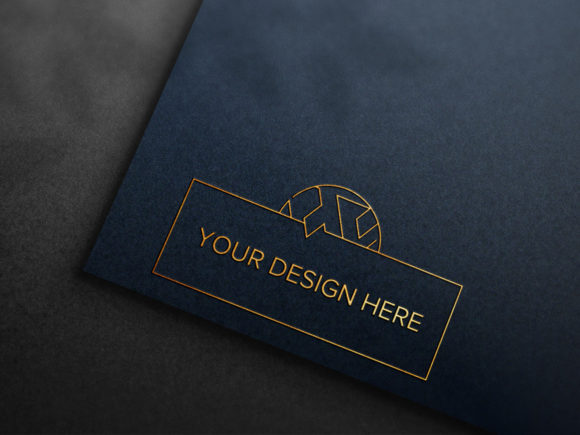
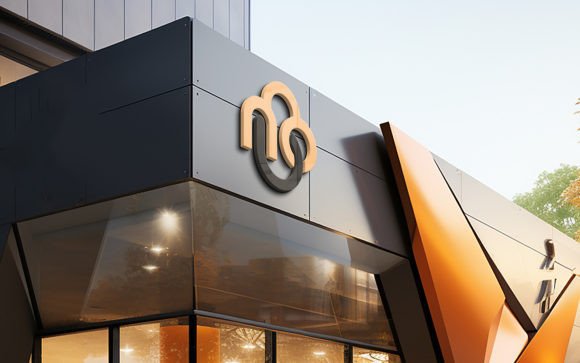
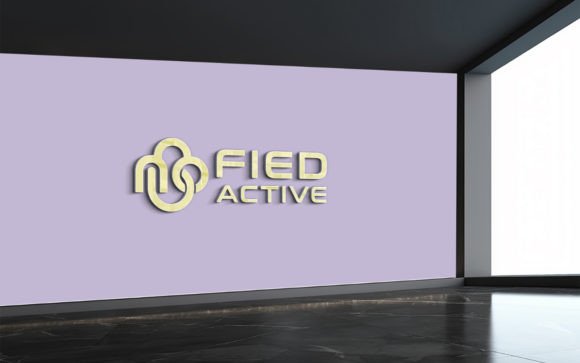
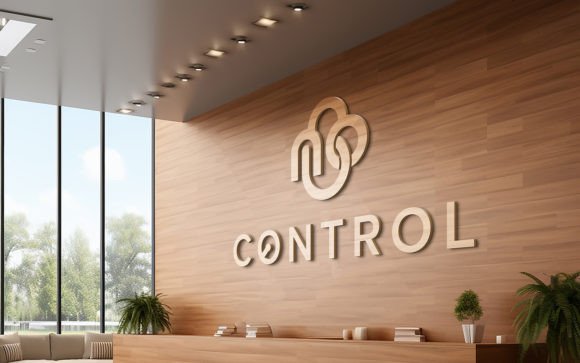
A 3D wall logo mockup is essentially a pre-rendered scene featuring a blank or placeholder surface on a wall, prepared with lighting, shadows, and perspective data. The primary function of such a file is to allow users to insert their own designs—logos, typography, or artwork—and have them automatically conform to the three-dimensional space. Unlike simple overlays that merely sit on top of an image, a proper 3D mockup uses smart object technology to warp, shade, and integrate the new content seamlessly into the environment.
The 3d Wall Logo Mockup described in this evaluation is built around the Adobe Photoshop PSD format, leveraging Smart Object layers. This means that when a user replaces the default placeholder layer with their own artwork, the software calculates the necessary transformations based on the underlying geometry of the wall. The result is a composition where the logo appears to be physically mounted, painted, or affixed to the surface, complete with correct angles, ambient occlusion shadows, and directional lighting. This level of integration is crucial for creating believable presentations that clients and stakeholders can visualize accurately before production begins.
Technical Specifications and Quality Analysis
When assessing the viability of any digital asset, resolution and file structure are paramount. The 3d Wall Logo Mockup comes in at 3000 x 2000 pixels with a density of 300 DPI. For most web-based presentations, social media posts, and even standard print outputs (such as A4 or Letter size brochures), this resolution provides ample clarity. It ensures that fine details in a logo remain crisp and that the surrounding textures do not pixelate when viewed up close.
The inclusion of both a PSD and a JPEG file adds versatility. The PSD serves as the editable master file, allowing for customization of lighting, background elements, or shadow intensity if the user has advanced Photoshop skills. The JPEG provides an immediate, ready-to-use preview, which is useful for quick client approvals or when editing capabilities are not required. However, the true power lies in the PSD’s organization. A well-structured file with clearly labeled layers and organized folders significantly reduces the time spent navigating complex layer stacks. In this regard, the promise of being "fully layered and well organized" suggests a thoughtful approach to user experience, preventing the frustration often associated with poorly coded templates.
Usability and Workflow Integration
One of the most significant barriers to entry for high-quality mockups is the technical skill required to manipulate them. Many premium templates require knowledge of layer masks, blending modes, and manual warping techniques. The 3d Wall Logo Mockup addresses this by emphasizing ease of use. The mechanism is straightforward: replace the Smart Object, save, and the changes appear instantly. This "no skill requirement" feature democratizes access to professional-grade visuals, making it accessible not only to graphic designers but also to entrepreneurs, freelancers, and small business owners who may lack extensive design training.
This simplicity does not come at the expense of flexibility. Despite the ease of replacement, the mockup retains 100% editability. Users are not locked into a single aesthetic. If the initial lighting feels too harsh or the wall texture needs adjustment, the underlying layers allow for refinement. This balance between automation and control is ideal for professionals who need to produce multiple variations quickly. For instance, a marketing agency pitching a rebranding campaign might generate five different wall-mounted logo concepts in minutes, testing how the brand identity performs against various architectural backdrops without needing to render each scene from scratch in a 3D modeling program.
Practical Applications and Target Audience
The utility of the 3d Wall Logo Mockup extends across several professional domains. For interior designers and architects, these mockups serve as essential communication tools. They help clients visualize how signage or branding will look in a physical space, aiding in decision-making regarding placement, scale, and material finish. Similarly, real estate agents or commercial property managers can use these visuals to showcase potential branding opportunities for tenants in vacant office spaces or retail units.
For e-commerce businesses and print-on-demand services, high-quality mockups are conversion drivers. When selling branded merchandise or custom signage, customers need to see what the product looks like in a realistic setting. A flat image of a logo on a white background fails to convey the tactile nature of a wall-mounted sign. By using this mockup, sellers can provide a more immersive shopping experience, potentially reducing return rates caused by mismatched expectations.
Freelance designers benefit particularly from the time-saving aspect. Client revisions are inevitable, and having a rapid iteration process allows designers to accommodate feedback loops efficiently. Instead of spending hours adjusting shadows and perspectives manually, the designer can focus on the creative direction of the brand itself. This efficiency translates directly into higher profitability and better client satisfaction.
Limitations and Considerations
While the 3d Wall Logo Mockup offers substantial benefits, it is important to acknowledge its limitations. As a two-dimensional representation of a three-dimensional concept, it relies on the accuracy of the original rendering. If the lighting in the source image does not match the lighting in the user’s broader presentation deck, inconsistencies may arise. Additionally, while the Smart Object handles basic warping and shading, it cannot replicate complex interactions with irregular surfaces. If a logo is intended to be mounted on a textured brick wall with deep grout lines, a standard smooth-wall mockup may not capture those minute details unless specifically designed for that texture.
Furthermore, the reliance on Adobe Photoshop is a constraint. While Photoshop is an industry standard, it is not free nor universally available. Users without access to this software cannot utilize the PSD file effectively. In such cases, they must rely on the included JPEG, which limits their ability to customize colors, adjust shadows, or change the background environment. Therefore, the value proposition is strongest for users already embedded in the Adobe Creative Cloud ecosystem.
Final Assessment
The 3d Wall Logo Mockup stands out as a robust, practical tool for anyone involved in visual branding and spatial design. Its combination of high-resolution output, intelligent Smart Object functionality, and user-friendly organization makes it a valuable addition to any creative toolkit. It successfully balances the need for realism with the demand for efficiency, allowing professionals to produce polished, convincing presentations without requiring advanced 3D modeling skills.
For agencies, freelancers, and business owners looking to elevate their brand communication, this mockup offers a reliable solution for showcasing logos in realistic contexts. While it requires specific software to unlock its full potential, the time saved and the quality of the final output justify the investment. It is not merely a decorative template but a functional instrument for enhancing clarity, persuasion, and professional credibility in design presentations.