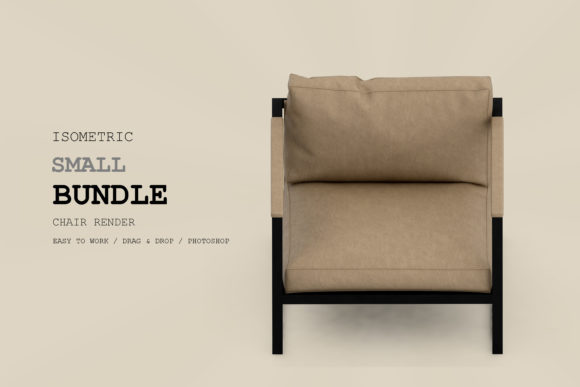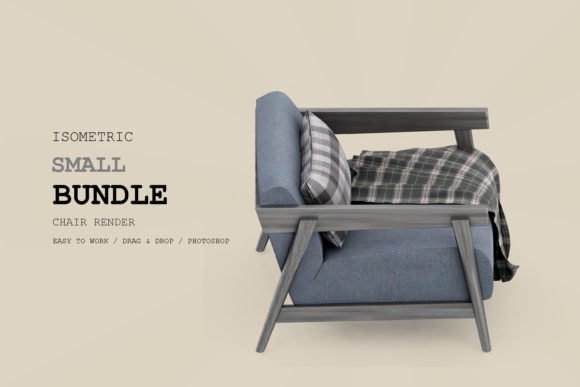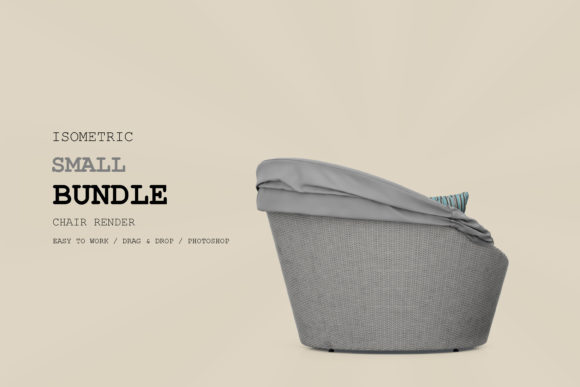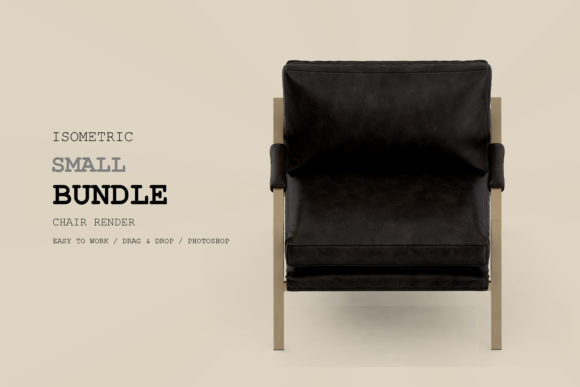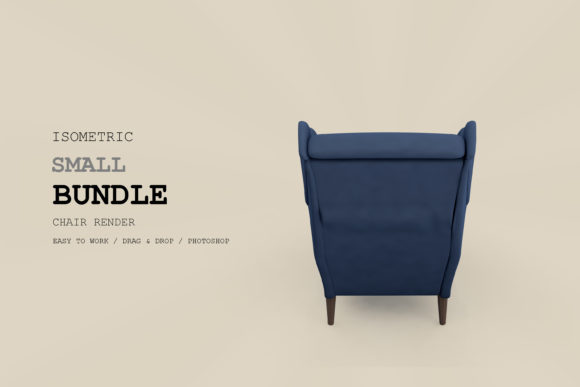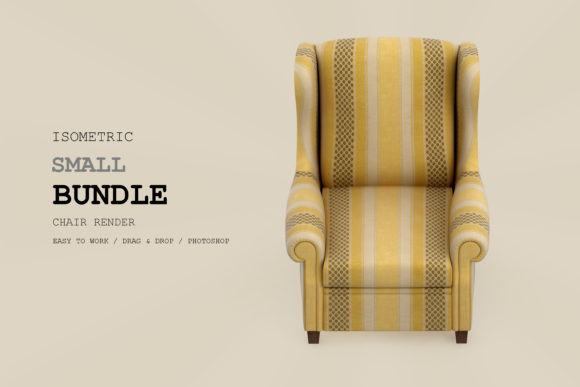
Isometric Armchair 3D Rendering Pack 92
When you are designing a space, creating marketing materials, or building a portfolio, the difference between a good project and a great one often lies in the details. For designers, architects, and digital creators, finding high-quality assets that fit seamlessly into an isometric workflow can be a time-consuming task. This is where Isometric Armchair 3D Rendering Pack 92 steps in as a practical solution. It is not just another collection of images; it is a structured resource designed to save you hours of modeling time while ensuring your visual output meets professional standards.
Many creators assume that downloading a 3D pack is as simple as grabbing a JPG and dropping it into their layout. However, this approach often leads to frustration when the asset does not scale properly, lacks necessary editing capabilities, or fails to integrate with existing design elements. Understanding the specific features of Isometric Armchair 3D Rendering Pack 92 helps you avoid these common pitfalls and ensures you get the most value out of your investment.
Why Technical Specifications Matter More Than You Think
One of the most overlooked aspects of digital asset selection is resolution and file structure. A pretty picture on a screen looks different than a print-ready graphic. Isometric Armchair 3D Rendering Pack 92 addresses this by offering high-resolution files at 300 DPI. This specification is critical for anyone planning to use the graphics in physical media. If you are designing a brochure, a magazine ad, or a large-format poster, low-resolution assets will appear pixelated and unprofessional, undermining the credibility of your work.
Furthermore, the pack includes a separated background. In many lower-quality packs, the subject is baked into the background color, making it nearly impossible to place the armchair onto a custom scene without manual and tedious masking. With Isometric Armchair 3D Rendering Pack 92, you can instantly isolate the furniture piece and place it against any backdrop—whether it is a clean white void for a product catalog or a complex architectural interior for a presentation. This separation significantly speeds up your workflow, allowing you to experiment with different environments without starting from scratch.
The Hidden Value of Organized Layers and Shadows
Professional design software like Adobe Photoshop or Illustrator relies heavily on layer management. When you import a flat image, all pixels are locked together. If you want to change the lighting on the chair or adjust its position relative to a shadow, you cannot do so. Isometric Armchair 3D Rendering Pack 92 solves this problem by providing organized layers.
This feature allows for granular control over the rendering. You can tweak the opacity of the upholstery, adjust the texture of the wood, or modify the lighting effects independently. This level of customization is essential for maintaining consistency across a brand’s visual identity. For instance, if you are designing a series of advertisements for a furniture store, you need the armchairs to look consistent in style and lighting. Layered assets give you the flexibility to achieve this uniformity.
Additionally, the pack includes a separated shadow. Shadows are what ground an object in a scene, giving it weight and realism. Without a proper shadow, an isometric object can look like it is floating, which breaks the illusion of depth. By having the shadow on a separate layer, you can easily remove it if your new background already provides ambient occlusion, or you can adjust its angle and opacity to match the lighting direction of your specific project. This small detail makes a massive difference in the overall polish of your design.
Common Mistakes to Avoid When Using 3D Packs
Even with high-quality tools, users often make errors that compromise their final output. One frequent mistake is ignoring the help file included with Isometric Armchair 3D Rendering Pack 92. Many creators skip documentation, assuming the files are self-explanatory. However, understanding how the layers are named and organized can prevent hours of trial and error. The help file typically outlines the best practices for importing these assets into your preferred software, ensuring that transparency and layer structures are preserved correctly.
Another common issue is mismatching the isometric perspective. Isometric projection requires strict adherence to specific angles (usually 30 degrees). While Isometric Armchair 3D Rendering Pack 92 is pre-rendered to these standards, combining it with other assets that do not share the same perspective can result in a disjointed and confusing visual experience. Always check the orientation of other elements in your composition to ensure they align with the armchair’s vanishing points.
Users also sometimes overlook the intended use cases. These renders are optimized for both digital and print. If you plan to use them for a website, you may need to export them at a lower DPI to reduce file size for faster loading times. Conversely, for print projects, you must retain the original 300 DPI files. Failing to manage these exports correctly can lead to either sluggish website performance or blurry printed materials.
Where Isometric Armchair 3D Rendering Pack 92 Fits In
The versatility of this pack makes it suitable for a wide range of applications. Here is how different professionals can leverage these assets:
- Architecture Design: Use the armchairs to populate interior renderings, helping clients visualize how furniture fits within a room layout without needing to model every piece individually.
- School Projects: Students in graphic design or interior design courses can use these high-quality assets to create professional-looking presentations that demonstrate spatial awareness and aesthetic judgment.
- Social Network Content: Marketers can quickly generate engaging visuals for Instagram or Pinterest by placing the armchair in various lifestyle contexts, saving time on content creation.
- Blog Posts: Bloggers writing about home decor or furniture reviews can use these images to illustrate their points, adding visual interest that keeps readers engaged.
- Advertisement: E-commerce businesses can use the separated layers to create composite images that highlight product features, such as fabric texture or leg design, in promotional campaigns.
- Website Design: Web designers can incorporate these isometric elements into landing pages to add a modern, playful touch that enhances user experience.
Evaluating Your Needs Before Downloading
Before integrating Isometric Armchair 3D Rendering Pack 92 into your workflow, consider the scope of your project. Are you working on a single static image, or do you need to animate the furniture? While this pack provides excellent static renders, animated sequences might require additional 3D modeling work. Additionally, verify that your current software supports the file formats provided in the pack, typically PSD or AI, to fully utilize the layered benefits.
It is also wise to review the licensing terms associated with the pack. Some assets are restricted to personal use only, while others allow for commercial application. Ensuring you have the right permissions prevents legal issues down the line, especially if you are using the designs for client work or advertising campaigns.
Ultimately, Isometric Armchair 3D Rendering Pack 92 is more than just a set of pictures; it is a tool for efficiency and quality. By understanding its features—such as the separated background, high resolution, organized layers, and separated shadow—you can avoid common design traps and produce work that stands out. Whether you are a seasoned architect or a hobbyist blogger, leveraging these assets correctly will elevate your visual communication and help you deliver polished, professional results with greater ease.