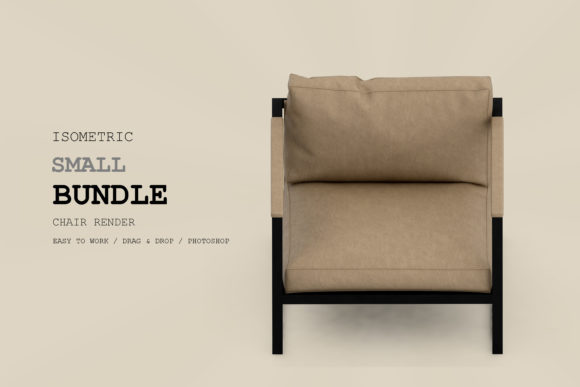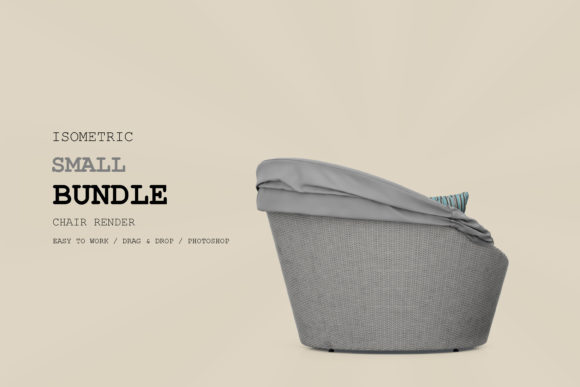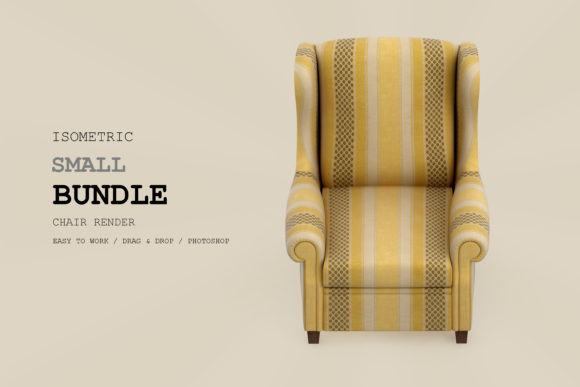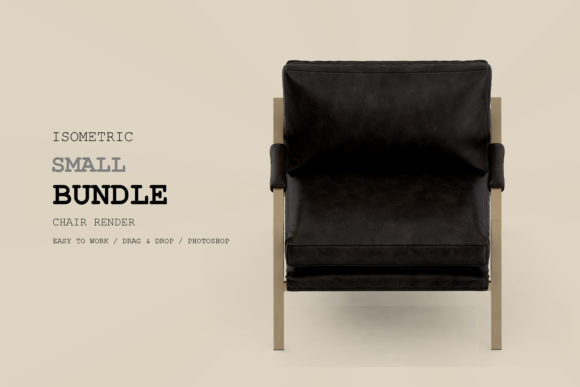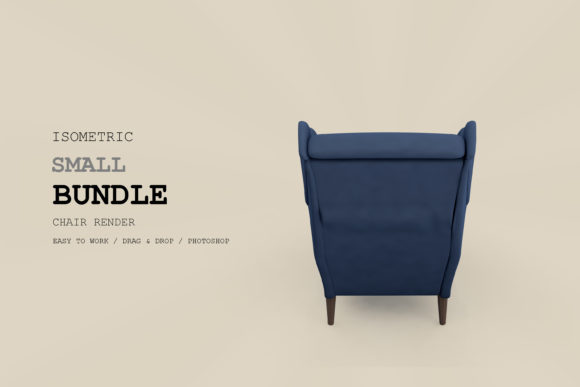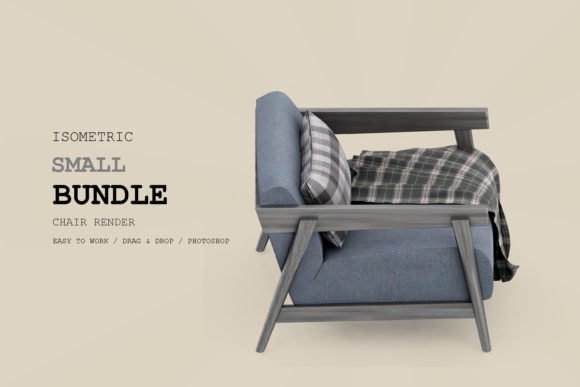
Isometric Armchair 3D Rendering Pack 98
When you are designing a space, pitching a concept to a client, or simply trying to visualize how a piece of furniture fits into your living room, the difference between a flat image and a three-dimensional representation is often the difference between confusion and clarity. This is where Isometric Armchair 3D Rendering Pack 98 becomes an essential tool for designers, marketers, and hobbyists alike. It offers a specialized set of assets that allow for precise, scalable, and visually appealing presentations without the steep learning curve associated with full-scale 3D modeling software.
Many creators assume that using pre-made 3D packs means sacrificing control over the final output. However, this pack is designed specifically to bridge that gap. It provides high-quality, isolated elements that can be manipulated in standard graphic design software like Photoshop or Illustrator. The key to unlocking its potential lies in understanding not just what it looks like, but how its technical features—such as separated layers and shadows—impact the workflow and the final quality of your project.
Understanding the Core Features
The value of any digital asset pack is determined by its usability. Isometric Armchair 3D Rendering Pack 98 stands out because it addresses the most common pain points in graphic design: cluttered files and low-resolution outputs. Let’s break down why these specific features matter for your projects.
Separated Background and Shadows
One of the biggest mistakes beginners make when using 3D assets is assuming they can simply drop them onto a background and call it done. In reality, lighting consistency is what makes a design look professional. This pack includes a separated shadow feature. This means the shadow cast by the armchair is on a distinct layer from the chair itself.
Why does this matter? If you place an armchair on a dark wooden floor, a white shadow will look artificial and break the illusion. With a separated shadow, you can adjust the opacity, color, and blur of the shadow to match the environment you are creating. Similarly, the separated background allows you to remove the default backdrop entirely, giving you the freedom to place the armchair in any context—from a minimalist white studio to a busy café scene—without fighting against unwanted pixels.
High Resolution and DPI 300
Nothing ruins a print project faster than pixelation. Many online packs offer images that look sharp on a screen but turn blurry when printed at poster size. Isometric Armchair 3D Rendering Pack 98 is delivered at DPI 300, which is the industry standard for high-quality printing. Whether you are creating a catalog for a furniture store, a brochure for an interior design firm, or a large-format advertisement, these assets will remain crisp and clear.
This resolution also benefits web use. While screens typically display at 72 or 96 DPI, having a 300 DPI source file allows you to crop and zoom into the rendering without losing detail, providing flexibility during the editing process.
Organized Layers and Help File
Time is money, especially for freelancers and agencies. A disorganized PSD file can waste hours of productive time. This pack comes with organized layers, meaning the armrests, cushions, legs, and fabric textures are grouped logically. You can easily change the color of the cushion without affecting the frame, or hide the legs to create a floating effect.
Additionally, the inclusion of a help file is a subtle but critical feature. For those new to compositing 3D assets, navigating layer groups can be confusing. The help file provides quick guidance on how to import, edit, and export the files, reducing the friction between downloading the asset and using it effectively.
Common Pitfalls and How to Avoid Them
Even with high-quality tools, errors can occur. Here are some practical warnings to help you get the best results from Isometric Armchair 3D Rendering Pack 98.
- Ignoring Color Profiles: Always check if your project is set to RGB (for screens) or CMYK (for print). Using a 300 DPI RGB image directly in a CMYK print layout can result in dull colors. Convert your working file appropriately before final export.
- Overlooking Lighting Direction: Even with separated shadows, the light source must be consistent across all elements in your composition. If your other objects cast shadows to the right, ensure the armchair’s shadow also falls to the right. Adjust the angle of the shadow layer if necessary.
- Scaling Down Too Much: While the pack is high resolution, scaling up beyond 150-200% of its original size may introduce artifacts. Always start with the largest version available and scale down for smaller formats like social media thumbnails.
Where Can It Be Used?
The versatility of Isometric Armchair 3D Rendering Pack 98 extends far beyond simple decoration. Its structured format makes it suitable for a wide range of applications:
- Architecture Design: Use the armchair to populate interior renderings, helping clients visualize spatial relationships and scale in a way that flat sketches cannot convey.
- School Projects: Students in design, marketing, or architecture courses can use these assets to create professional-grade presentations without needing advanced 3D modeling skills.
- Social Network Content: Create engaging posts for Instagram or Pinterest. The isometric view is highly popular on social media for its clean, modern aesthetic.
- Print Projects: From business cards to large banners, the 300 DPI ensures that every detail is visible to the naked eye.
- Blog and Website: Enhance articles about home decor, furniture reviews, or design trends with custom visuals that stand out from stock photography.
- Advertisement: Develop compelling ad creatives for e-commerce platforms. The ability to isolate the product allows for clean backgrounds that focus attention on the item.
Making the Right Choice
Before integrating Isometric Armchair 3D Rendering Pack 98 into your workflow, take a moment to evaluate your specific needs. Do you require editable layers to customize the fabric color? If so, this pack’s organized structure is ideal. Are you printing large posters? The 300 DPI specification meets that requirement.
Consider the software you plan to use. Since this is a layered file, it works best in Adobe Photoshop or similar raster graphics editors. If you are working strictly in vector-based programs like Illustrator, you may need to convert the layers or use the images as embedded references.
Ultimately, the goal of using such a pack is to save time while maintaining high quality. By avoiding common mistakes related to resolution, lighting, and file organization, you can leverage Isometric Armchair 3D Rendering Pack 98 to produce designs that are not only visually striking but also technically sound. Whether you are a seasoned architect looking to speed up your visualization process or a blogger aiming to elevate your visual storytelling, this pack offers a reliable, efficient solution for bringing your ideas to life.