Evaluating Isometric Armchair 3D Rendering Pack 56 for Professional and Creative Projects
In the rapidly evolving landscape of digital design, visual assets play a pivotal role in communication. Whether you are an architect presenting a concept to a client, a marketer designing an advertisement, or a student working on a final thesis, the quality and flexibility of your imagery can significantly impact the outcome. Among the various tools available, Isometric Armchair 3D Rendering Pack 56 has emerged as a specialized resource for professionals seeking high-fidelity, editable isometric illustrations. This article provides a comprehensive evaluation of this pack, examining its technical specifications, practical applications, and how it compares to other common design approaches.
Understanding the Core Value Proposition
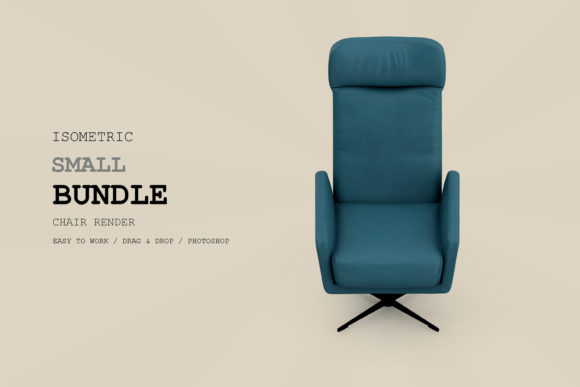
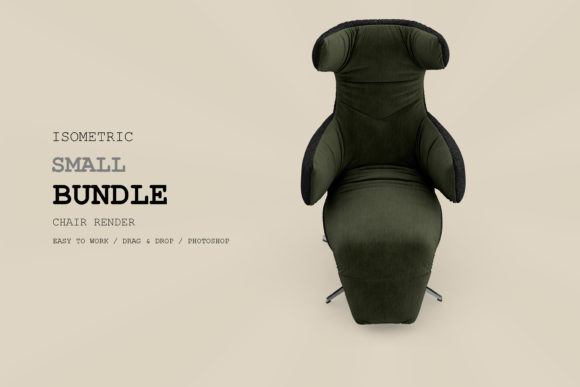
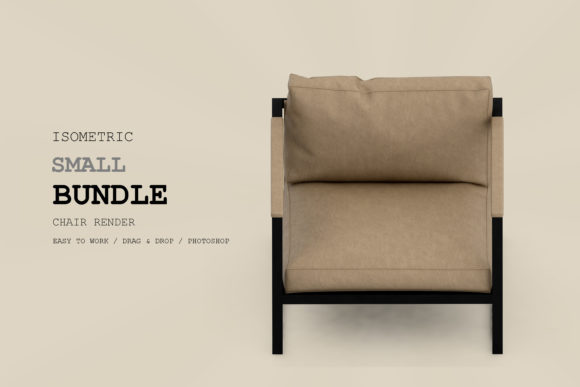
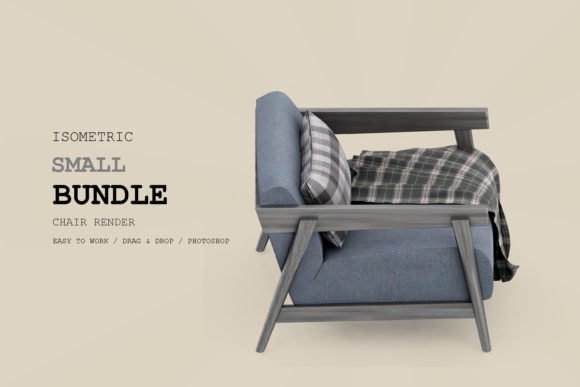
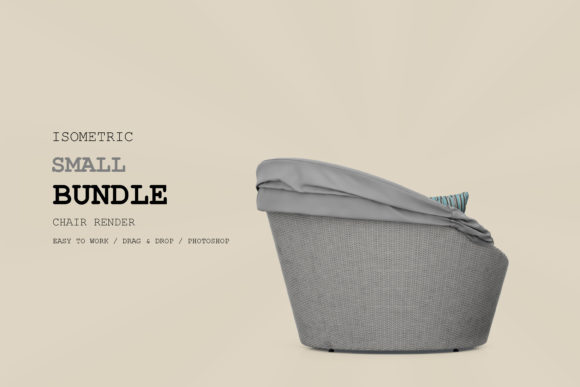
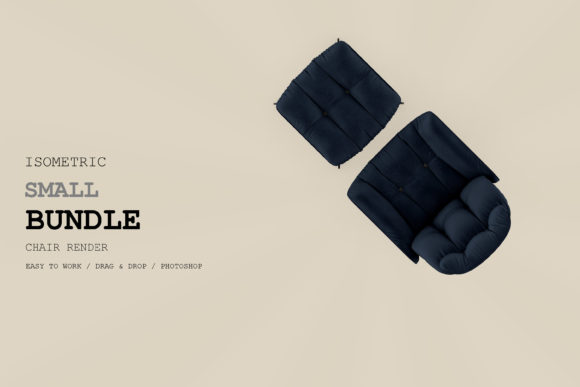
At its foundation, Isometric Armchair 3D Rendering Pack 56 is not merely a static image file; it is a structured digital asset designed for maximum utility. The pack features separated backgrounds, which allows designers to place the armchair into any environment without the hassle of manual masking. This separation is crucial for maintaining clean edges and realistic integration with different lighting conditions in a scene. Furthermore, the inclusion of a separated shadow ensures that the object grounds naturally within its new context, adding depth and realism that flat images often lack.
The distinction of this pack lies in its organization. Designed with professional workflows in mind, the files come with organized layers. For users working in software like Adobe Photoshop or Illustrator, this means that components of the armchair—such as cushions, legs, and fabric textures—are distinct and editable. This level of granularity allows for customization, enabling users to tweak colors or materials to match specific brand guidelines or interior design schemes without needing to recreate the model from scratch.
Technical Specifications and Quality Standards
When evaluating digital assets for print or high-resolution display, technical fidelity is non-negotiable. Isometric Armchair 3D Rendering Pack 56 addresses this by providing high-resolution outputs at 300 DPI. This dots-per-inch standard is the industry benchmark for print media, ensuring that when these renderings are used in brochures, posters, or architectural presentations, they remain crisp and clear even when scaled up. For web use, where screen resolution varies, the high base resolution ensures the images look sharp on Retina displays and modern monitors alike.
The provision of a help file alongside the assets is another significant feature. While many digital packs assume a certain level of technical proficiency, this inclusion demonstrates a commitment to user experience. It guides users through the process of integrating the assets, troubleshooting layer issues, and optimizing file sizes. This support structure reduces the learning curve, making the pack accessible not only to seasoned graphic designers but also to less experienced users who may be intimidated by complex layered files.
Comparing Approaches: Pre-made Packs vs. Custom Modeling
To understand where Isometric Armchair 3D Rendering Pack 56 fits in the broader market, it is helpful to compare it against two primary alternatives: custom 3D modeling and generic stock photography.
Custom 3D Modeling: Creating a bespoke isometric armchair from scratch using software like Blender or Maya offers ultimate control over every polygon and texture. However, this approach is time-intensive and requires specialized skills. For projects with tight deadlines or limited budgets, custom modeling is often impractical. In contrast, the rendering pack offers immediate usability. While you cannot change the fundamental geometry of the chair, the ability to edit layers and shadows provides sufficient flexibility for most commercial needs, offering a superior balance between cost, time, and quality.
Generic Stock Photography: Standard stock photos are convenient but often lack consistency. A photographer might capture a chair from a top-down perspective one day and a side angle the next, making it difficult to create cohesive isometric series. Additionally, stock photos usually have fixed lighting and shadows that do not match your project’s aesthetic. Isometric Armchair 3D Rendering Pack 56 solves this by providing a consistent isometric viewpoint across all assets. The separated background and shadow allow you to apply uniform lighting effects, ensuring that your visual narrative remains coherent whether you are displaying a single chair or a full room setup.
Practical Applications and Use Cases
The versatility of Isometric Armchair 3D Rendering Pack 56 makes it suitable for a wide array of industries and purposes. Its structured nature allows it to serve as a building block in larger compositions.
- Architecture and Interior Design: Architects often use isometric views to communicate spatial relationships clearly. This pack allows designers to populate their floor plans with realistic furniture pieces, helping clients visualize how an armchair will fit into a living space. The 300 DPI resolution ensures these visuals look professional in printed proposals.
- Social Media and Digital Marketing: In the age of Instagram and Pinterest, visually appealing content is king. The separated background feature allows marketers to easily place the armchair onto colorful gradients, lifestyle scenes, or branded backgrounds. This flexibility is essential for creating eye-catching posts that stand out in crowded feeds.
- E-commerce and Retail: Online retailers need consistent product imagery. Using a standardized isometric pack ensures that all products in a catalog share a similar visual style, enhancing brand recognition. The organized layers allow for quick color swaps, enabling the creation of multiple product variants from a single source file.
- Academic and School Projects: Students in design, architecture, or marketing courses often need to present complex ideas simply. The help file and organized layers make this pack an excellent educational tool, allowing students to focus on composition and storytelling rather than struggling with technical rendering issues.
- Blogging and Content Creation: Bloggers looking to break up text with engaging visuals can use these renders to illustrate articles about home decor, furniture reviews, or design trends. The high resolution ensures the images look good both on mobile devices and desktop screens.
Evaluating Tradeoffs and Limitations
No single resource is perfect, and understanding the limitations of Isometric Armchair 3D Rendering Pack 56 is key to making an informed decision. The primary tradeoff is flexibility in form. Since the assets are pre-rendered, you cannot alter the shape of the chair, add new arms, or change the leg style beyond what the layers permit. If your project requires a highly unique or unconventional furniture piece, a custom 3D model would be more appropriate.
Additionally, while the pack includes separated shadows, achieving perfect lighting integration still requires some skill. The shadow in the file is baked-in, meaning it has a specific direction and softness. If your project’s overall lighting scheme contradicts the shadow’s direction, you may need to adjust the opacity or blend mode of the shadow layer to make it look natural. This requires a basic understanding of light physics and layer blending, though the included help file should provide guidance on these adjustments.
Another consideration is file management. Because the pack contains organized layers and high-resolution files, the individual file sizes can be substantial. Users with limited storage or slower internet connections should be prepared for longer download times and the need for adequate disk space. However, this is a minor inconvenience compared to the benefits of having editable, high-quality assets.
Decision Factors: When to Choose This Pack
Deciding whether Isometric Armchair 3D Rendering Pack 56 is the right choice depends on your specific project requirements. You should consider this pack if:
- Time is a constraint: You need high-quality, ready-to-use assets quickly without waiting for custom renders.
- Consistency is vital: You are creating a series of images or a catalog where a uniform isometric style is required.
- Print quality is needed: Your project involves physical printing, necessitating 300 DPI resolution.
- Customization is desired: You need to tweak colors or integrate the asset into various backgrounds without starting from zero.
Conversely, you might look for alternative solutions if you require extreme geometric customization, have an unlimited budget for bespoke 3D modeling, or are working on a project where real-time 3D interaction (rather than static images) is the goal.
Conclusion
Isometric Armchair 3D Rendering Pack 56 represents a thoughtful intersection of quality, usability, and versatility. By offering separated backgrounds, organized layers, and high-resolution outputs, it empowers designers, architects, and marketers to create compelling visual content efficiently. While it may not replace the need for custom modeling in every scenario, it serves as a powerful tool for those seeking a reliable, professional-grade asset that streamlines the creative process. For anyone looking to enhance their visual communications with polished, isometric furniture imagery, this pack is a strong contender worth considering.