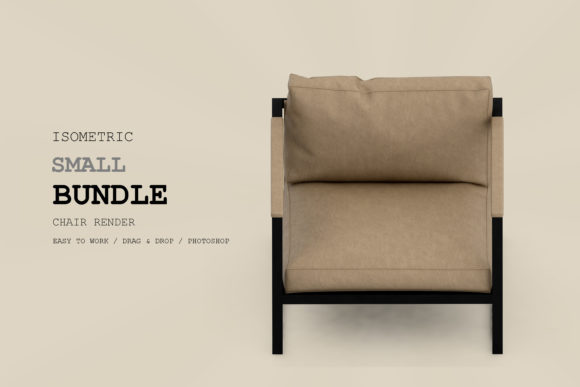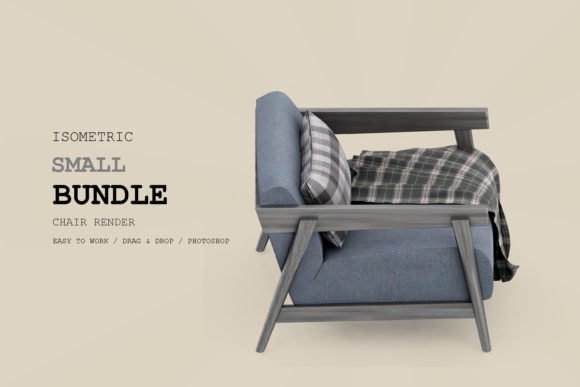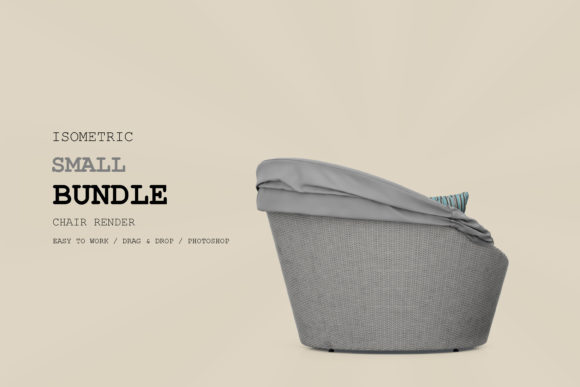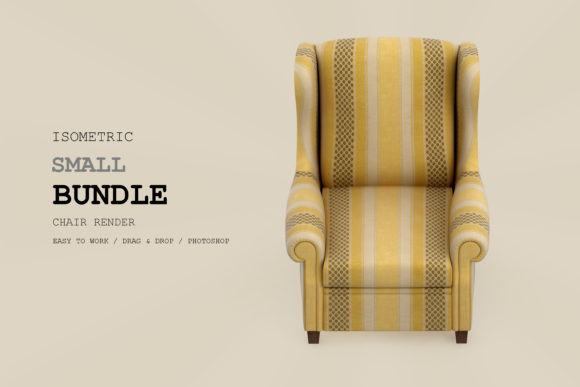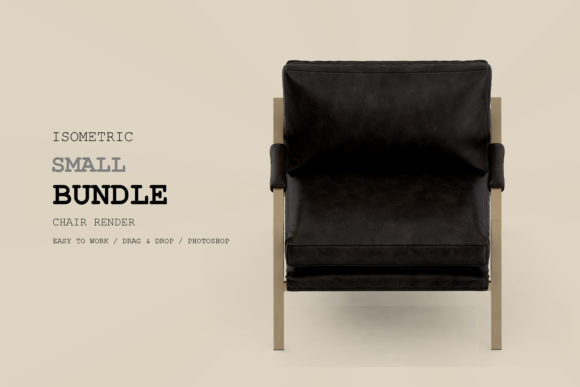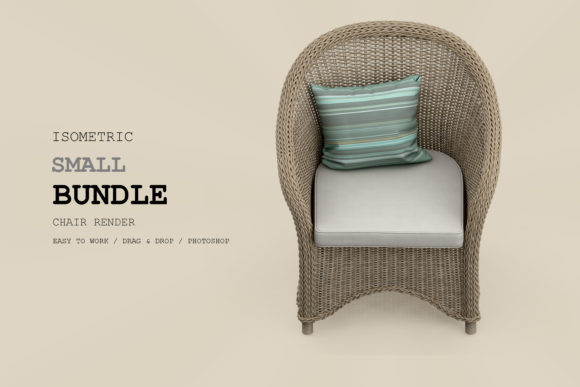
Isometric Armchair 3D Rendering Pack 64
Visual assets are the backbone of modern digital communication, yet finding high-quality, versatile imagery that fits seamlessly into professional workflows can be a tedious process. Enter the Isometric Armchair 3D Rendering Pack 64, a specialized collection of design assets tailored for creators who demand precision and polish. While the name suggests a specific object, this pack represents a broader category of premium 3D isometric illustrations that have become indispensable in contemporary graphic design, web development, and marketing.
Unlike flat vector graphics or generic stock photography, isometric 3D renderings offer a unique spatial depth that engages viewers without overwhelming them. The Isometric Armchair 3D Rendering Pack 64 exemplifies this style with its clean lines, realistic lighting, and structured composition. It is not merely a picture of furniture; it is a modular design component designed to integrate smoothly into larger projects, from editorial layouts to brand identity systems. For designers, marketers, and content creators, understanding the value of such a resource means recognizing how visual consistency and technical quality directly impact audience perception and project success.
Understanding the Visual Characteristics and Technical Quality
At first glance, the appeal of an isometric armchair rendering lies in its aesthetic balance. Isometric projection creates a three-dimensional effect on a two-dimensional plane by maintaining parallel lines, which gives designs a sense of order and clarity. This particular pack delivers that clarity through high-fidelity rendering techniques. The textures are realistic, capturing the subtle nuances of fabric, wood, or metal, while the lighting is soft yet directional, providing enough contrast to define shape without creating harsh shadows that distract from the main subject.
However, the true value of the Isometric Armchair 3D Rendering Pack 64 extends far beyond its visual beauty. It is built with the practical needs of professionals in mind. One of the most critical features is the separation of elements. In many low-quality asset packs, shadows and objects are merged into a single raster layer, making it nearly impossible to adjust the placement of the chair without also moving the shadow. Here, the background is separated, and the shadow is distinct. This allows designers to manipulate the position of the armchair independently of its cast shadow, ensuring it sits naturally on any surface or within any layout context.
Furthermore, the technical specifications ensure compatibility with both digital and print mediums. With a resolution of 300 DPI, these images meet the strict requirements for high-quality print projects, including brochures, posters, and packaging. For digital use, the high resolution ensures crisp display on retina screens and mobile devices, where pixelation is immediately noticeable. The organized layers provide an additional layer of flexibility. Whether you are working in Photoshop, Illustrator, or Figma, having clearly labeled and grouped layers saves hours of cleanup time, allowing you to focus on creativity rather than file management.
Practical Applications Across Industries
The versatility of the Isometric Armchair 3D Rendering Pack 64 makes it suitable for a wide array of applications. Its neutral yet sophisticated style allows it to blend into various design languages, from minimalist corporate websites to playful social media campaigns. Below are some of the most effective ways to utilize these assets:
- Web Design and User Interface: Modern websites often rely on isometric illustrations to explain complex services or products. An armchair rendering can symbolize comfort, home office setups, interior design services, or lifestyle branding. Because the background is transparent or separable, these assets can be layered over gradients, patterns, or solid colors to create dynamic hero sections without clashing with existing design elements.
- Social Media Graphics: In the fast-scrolling world of Instagram, LinkedIn, and Pinterest, static images need to stand out. High-resolution 3D renders capture attention more effectively than flat icons. Using the Isometric Armchair 3D Rendering Pack 64 in carousel posts, story highlights, or promotional banners adds a touch of professionalism and visual interest that encourages engagement.
- Editorial and Print Projects: Magazines, blogs, and newsletters benefit from the tactile feel of 3D imagery. When designing articles about interior design, remote work trends, or furniture reviews, these renderings provide accurate, visually appealing representations that enhance readability and break up text blocks effectively.
- Architecture and Interior Design Presentations: Architects and interior designers often need to visualize spaces quickly. These renderings serve as excellent placeholders or final assets in mood boards and client presentations. The ability to separate the shadow allows for precise integration into floor plans or room mockups, helping clients visualize how a piece of furniture might look in their actual space.
- Advertising and Marketing Materials: For e-commerce businesses selling home goods, high-quality product visuals are crucial. While these are illustrative rather than photographic, they offer a consistent aesthetic that can be used across multiple product lines, creating a cohesive brand identity even if the actual product photos vary in lighting or angle.
Strategic Integration and Best Practices
Integrating the Isometric Armchair 3D Rendering Pack 64 into your workflow requires more than just dropping an image onto a canvas. To maximize its potential, consider the principles of visual hierarchy and brand consistency. Start by evaluating your project’s color palette. Isometric renderings often contain mid-tones and subtle gradients that can clash with overly vibrant backgrounds. Test the armchair against different background colors to ensure it remains the focal point without disappearing into the noise.
When pairing these assets with typography, remember that the clean, geometric nature of isometric art complements sans-serif fonts well. Fonts like Helvetica, Roboto, or Montserrat maintain the modern, structured feel of the 3D model. If you prefer a serif font for a more editorial look, choose one with high contrast and elegant serifs to balance the technical precision of the rendering. Avoid using overly decorative or script fonts, as they can compete with the detailed textures of the 3D model and create visual clutter.
Another key consideration is scale. Isometric illustrations lose their impact when scaled down too much. Ensure that the armchair is large enough to retain its detail, especially in print materials where small details can get lost. Conversely, in digital designs, be mindful of file size. Even though the source files are high-resolution, optimize your exports for web delivery to maintain fast load times without sacrificing quality. Tools like SVG conversion (if applicable) or advanced JPEG/PNG compression can help achieve this balance.
Finally, leverage the organizational features of the pack. Use the help file provided to understand the structure of the layers. This documentation is invaluable for troubleshooting and maximizing efficiency. By treating these assets as modular components rather than static images, you can build scalable design systems that adapt to various project needs. Whether you are a student working on a school project, a marketer launching a new campaign, or a designer crafting a brand identity, the Isometric Armchair 3D Rendering Pack 64 offers a reliable, high-quality foundation for your creative endeavors.